Romper
Contact
Home › Industry profile
Profile · industry and production

Producing in Paraguay is not a gamble.
It is strategy and predictability.

Diagnosis, structuring, company, accounting, admission, we handle it.

Go/No-Go in writingPeople from your sectorOur own structure
Industrialist in a hard hat on the factory floor in Paraguay
Brazil × Paraguay: what really changes in your books
Tax on profit: Brazil
34%
Tax on profit: Paraguay (IRE)
10%
Payroll charges: Brazil (CLT)
~47%
Payroll charges: Paraguay (IPS)
16.5%
Legal floor with charges (US$/month): Brazil
459
Legal floor with charges (US$/month): Paraguay costs more
639
The bottom bar is not flipped by mistake. The Paraguayan minimum wage (Gs 3,044,000, Decree 6225/2026) equals US$ 506 against US$ 312 for the Brazilian one (R$ 1,621); in dollars, Paraguay's floor is 62% higher. Anyone selling you “cheap labor in Paraguay” is selling something that does not exist. The payroll advantage here is the charge, not the wage: 16.5% against the ~47% of the CLT.
Exchange rate of 08/17/2026: US$ 1 = Gs 6,012 = R$ 5.202. Brazil: minimum wage R$ 1,621 and total cost of R$ 2,390.07/month (FGTS 8% + employer INSS 20% + 13th salary + vacation + 1/3). Paraguay: Gs 3,044,000 + IPS 14% + 2.5% SNPP/SINAFOCAL + provisioned aguinaldo. Energy: ANDE declared a technical tariff of US$ 44.33/MWh at 220 kV and an average of ~US$ 50/MWh across all levels (Jun/2026); in Brazil the most recent public figure for captive industry is R$ 684.77/MWh (CNI, Aug/2021), with an average adjustment of 8.6% in 2026 alone. Paraguayan 10-10-10 regime = IRE 10% · VAT 10% · IRP 10%. None of this is the number for your case: energy by voltage level, wage by role and logistics by route only come out in the Diagnosis.
The route

Your path,in the right order

Step 1Industrial Diagnosis

A Go/No-Go feasibility study of your project, with real numbers for energy, logistics and taxes.US$ 4,500

Step 2Structuring

From incorporating the company to the warehouse up and running, led by our team.US$ 25,000+

TalkTalk to the team

Industry is not sold by a button. Every project starts with a technical conversation.Schedule

Ecosystem: the sector data and the directory of Paraguayan industrial suppliers live at IndustriaPY.com, the group's B2B platform. The structuring path lives here.

The essentials,in three numbers

US$ 4,500
the Go/No-Go Diagnosis, with a written verdict
US$ 1,000
become credit in the structuring, if you move forward
Documental
Romper handles paperwork and agencies, construction and machinery are third parties'

Go or No-Goin 60 seconds

Six questions: the same six our team asks in the first conversation. Seven out of ten projects leave here with a no, and it is better you get yours now, for free.

An honest screening, with the real criteria, but the verdict with your sector's numbers is the Diagnosis.
Assessment in hand? Talk to the team: freeMessage us on WhatsApp, in Portuguese, Spanish or English: a technical conversation before any contract — industry isn't sold with a button.
Message on WhatsApp
The entry standard

The six criteria,with both sides on the table

The answer comes in the first conversation, never in the middle of construction.

Operation
A factory in operationProcess, equipment and raw material mastered. Bringing a line that already runs is predictable.
A new ideaRomper does not take it on, at any size. Without measured machine cost and a known margin, there is nothing to plan.
Size
US$ 3 million a year or moreRevenue at origin, the range where the move pays for itself.
Below thatThe payback stretches beyond what the project can sustain. Better a smaller advisory, or doing it on your own.
Region
Greater Asunción: 120 km radiusTwo years with a foot in your factory: license, inspection and permit on the same day.
Alto Paraná, Minga Guazú, the northWe do not implement and do not accompany, not for a big project, not for insistence.
Capital
Having the money and being able to prove itBalance sheets, income tax, invoices and statements with documented origin, the Paraguayan bank's standard.
Capital without documental backingWithout backing the bank does not receive the contribution, and without the contribution there is no implementation.
Timeline
18 months or more to full operationLicensing, construction and standardization run on an agency's calendar, not a salesperson's.
Rushing for a guaranteed dateNo one here promises a public-agency deadline, and whoever promises it is selling something else.
History
Starting from the startEvery structural decision made in the right order, with our signature from the very first one.
A project stalled by a third partyRegime chosen before the origin, warehouse closed before the license: reopening costs more than doing it right.
Real risk

How industriesbreak during the move

GuessworkDeciding by someone else's spreadsheet

Your neighbor's energy cost is not yours. Sector, volume and logistics change the whole bill, and a decision made with a generic number shows up in the cash flow 18 months later.

OriginProducing and finding out it is not Mercosur

The fatal mistake: setting up the operation and only then finding out the product does not meet the rule of origin, and pays full tariff at the border. That answer has to come before the warehouse, not after.

Wrong regimeMaquila when it was 60/90, or the other way around

Each regime has its own requirement, counterpart and cap. Framing it wrong costs years of benefit, and reframing later is expensive and slow.

Who leads matters
The Go/No-Go of someone who has already structured industry, and had the courage to say No-Go.

Real numbers for energy, logistics and tax in YOUR sector, a written verdict and the entire documental process (SUACE, licenses, regime) by the same operation that handles your immigration and your accounting. Construction and machinery are yours; paperwork and agencies are ours.


Diagnosis with a written verdict Maquila · 60/90 · licenses Complete documental process Step-by-step timeline in the SOR
The number no dream-seller publishes: of every ten industrial projects that reach the consulting, seven leave with a no: “Paraguay is not for you”, “it is not the moment” or “there is not enough capital to get through the licensing”. That is why the Go/No-Go is worth what it costs: when Romper says go, it is because the math held up.
Technical visit: Marlon and an industrial client in a warehouse in Paraguay, in hard hats
Marlon Rihayem, founder of Grupo Romper
Marlon RihayemGo/No-Go and strategy

Leads the diagnosis, and is building his own factory in the country.
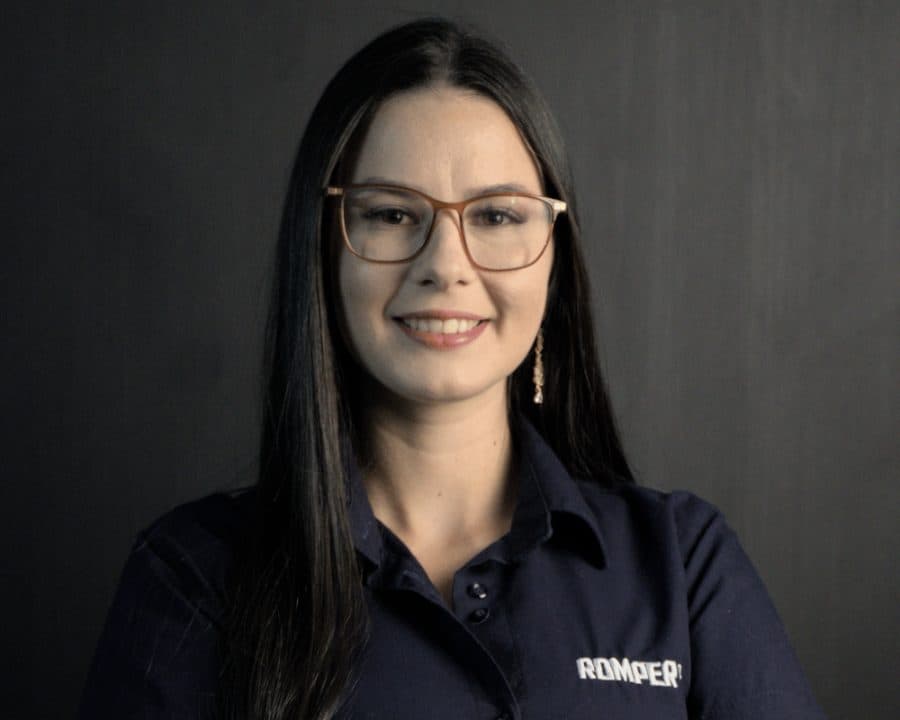
Gessica Lefebvre, manager of Grupo Romper
Gessica LefebvreSUACE, licenses, regime

Handles the paperwork and agencies of your project, step by step.

Marco Sotana, legal counsel of Grupo Romper
Marco SotanaLegal

Incorporation, contracts and the right regime, Romper's team.

Amado Manchini, head accountant of Grupo Romper
Amado ManchiniThe company up to date

Local obligations on time, the operation is only predictable if the accounting is.

Questions industrialists ask before deciding

Direct answers, no judgment, the real doubts that arrive every day.

What is the US$ 4,500 Diagnosis, and the US$ 1,000 credit?
It is the Go/No-Go of your operation in Paraguay: your sector's numbers, licenses, logistics, taxes, a written verdict. If you move forward to the structuring, US$ 1,000 become credit on any Romper service, it is Romper backing its own opinion.
Do you build the warehouse? Do you do the construction?
No, construction is not our business, and we say so on the first page. We structure everything around it: company, regime, licenses, people, suppliers, and connect you to whoever builds.
What is maquila, in one sentence?
The regime of Law 60/90 and of maquila: producing in Paraguay to export with a minimal tax burden on the added value, the reason 300+ industries, many of them Brazilian, already operate there.
Do I have to operate under the maquila regime necessarily?
No, maquila is one of the routes. Domestic market, ordinary export and mixed regimes exist; the Diagnosis compares them with your numbers and recommends the framing.
How much does industrial labor cost there?
A fraction of the total Brazilian cost, a lower minimum wage and radically simpler charges. The table for your sector, with roles and ranges, comes inside the Diagnosis.
And energy?
Among the cheapest on the continent, Itaipu on the Paraguayan side, and stable for industrial load. For an energy-intensive operation, it is often the item that alone justifies the move.
My doubt is Mercosur origin: does my product qualify?
It is the decisive question, regional content and NCM define whether your product enters Brazil without import tax. The Diagnosis treats the origin qualification as gate number one, before any other calculation.
Do I need to move to Paraguay?
Not necessarily, there are operations run with a local manager and periodic visits. The owner's admission usually comes from a personal tax strategy, not from a factory requirement.
How long until an operation is up and running?
From decision to production, typically months, not years, depending on the sector's license and the property. The Diagnosis delivers a realistic timeline for your case, with the dependencies in order.
I already have a factory in Brazil. Is it worth moving or duplicating?
In most winning cases, the answer is to duplicate the export line, not dismantle Brazil, Paraguay for export, Brazil for the domestic market. The Diagnosis models both scenarios with your numbers.
Proof of delivery

Industrialists whoalready produce from here.

Projects that passed the filter, got the go and today operate in Paraguay.
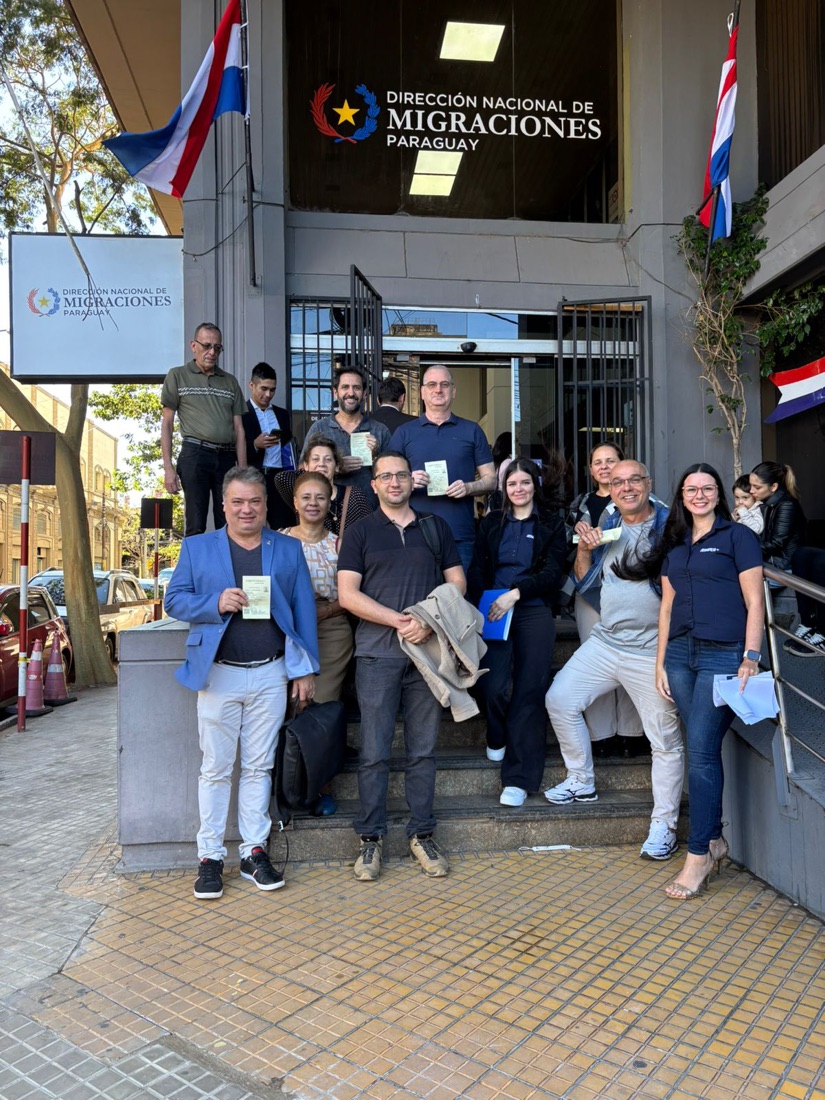
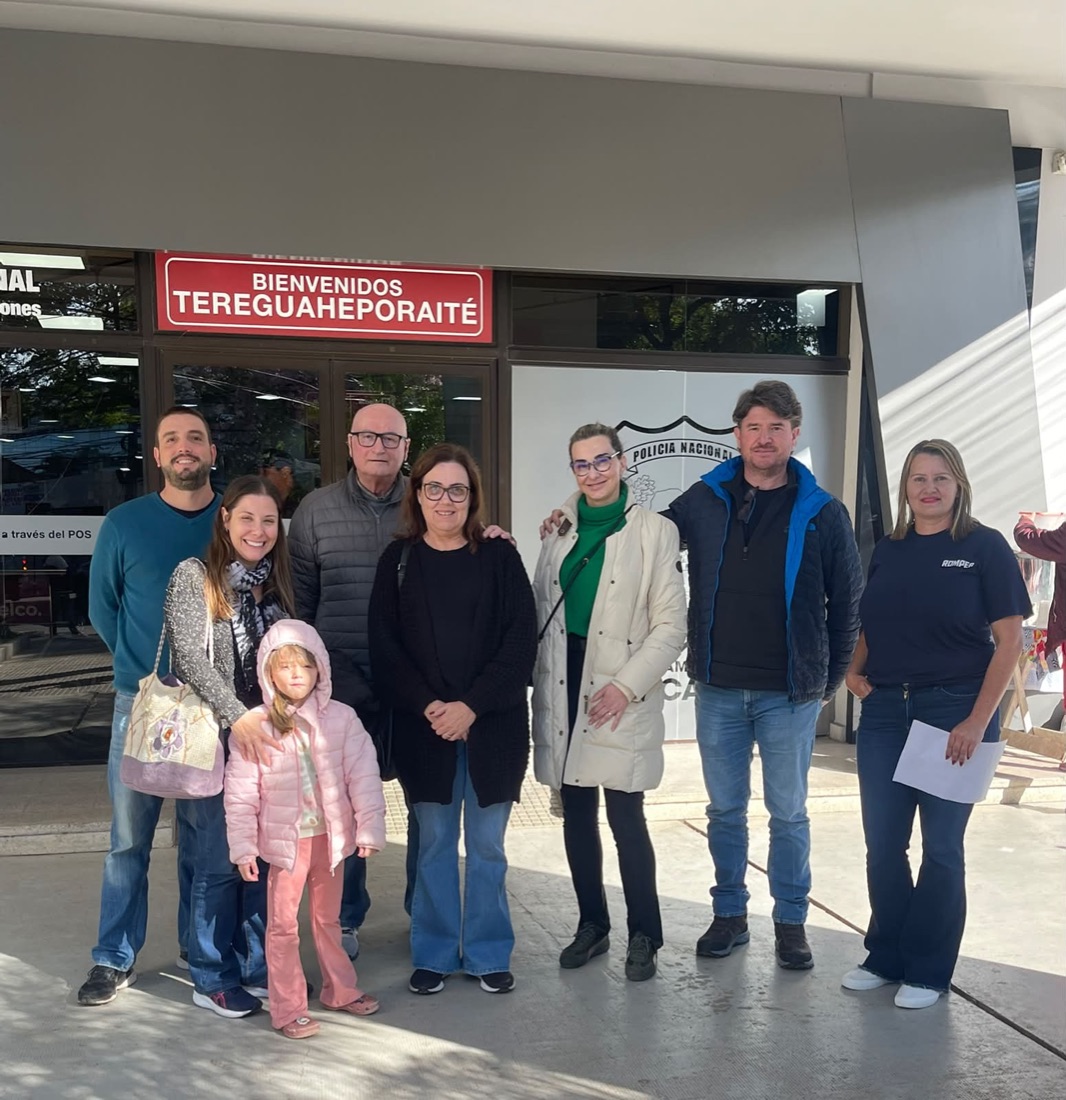
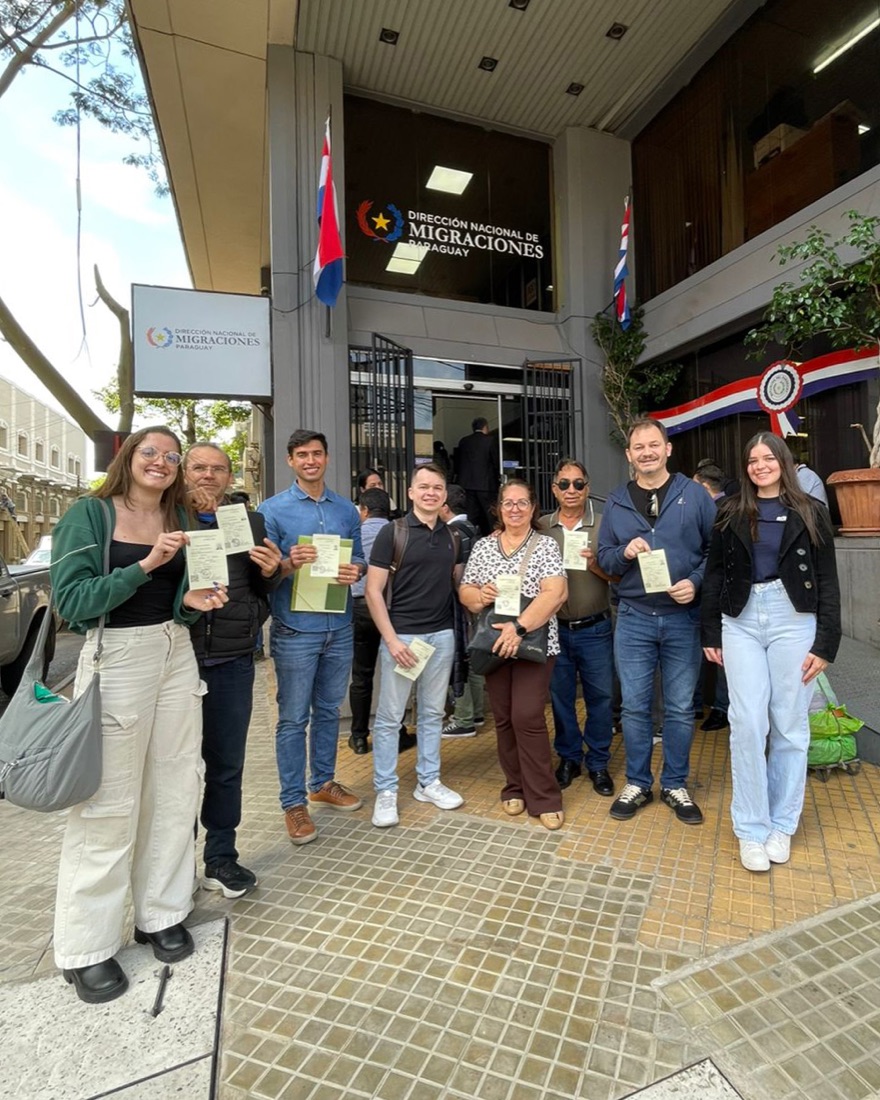
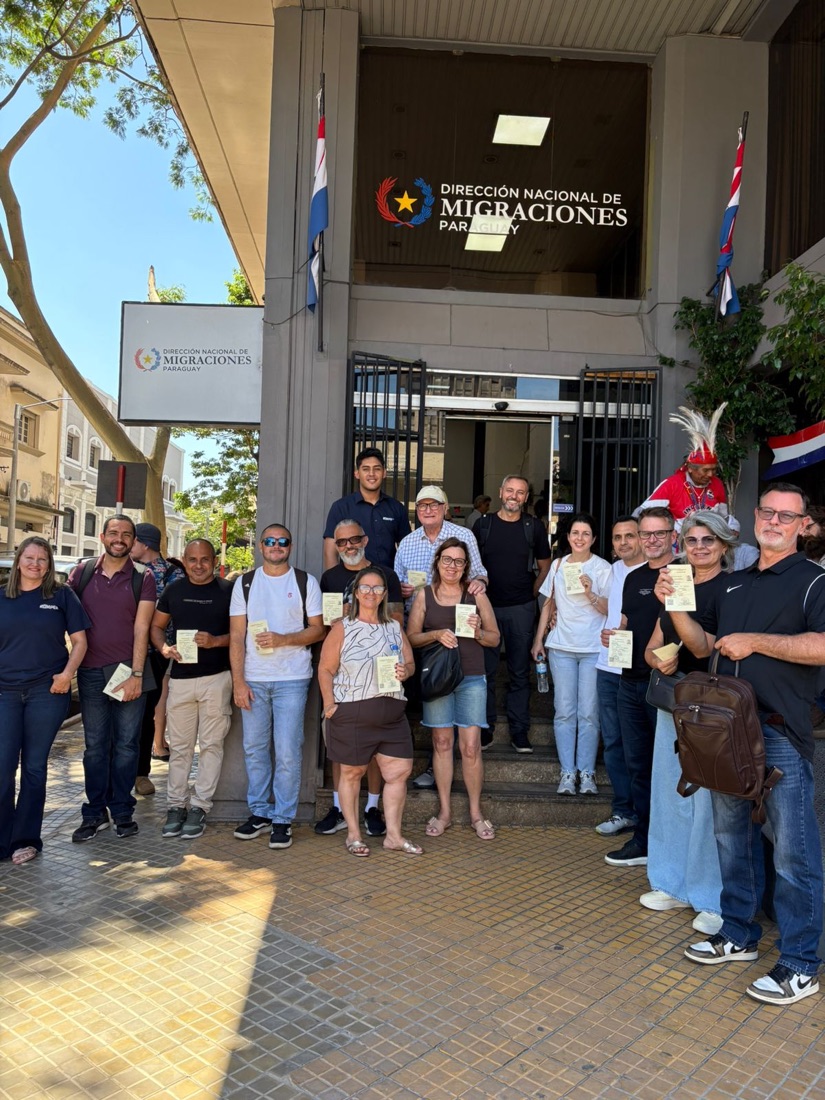
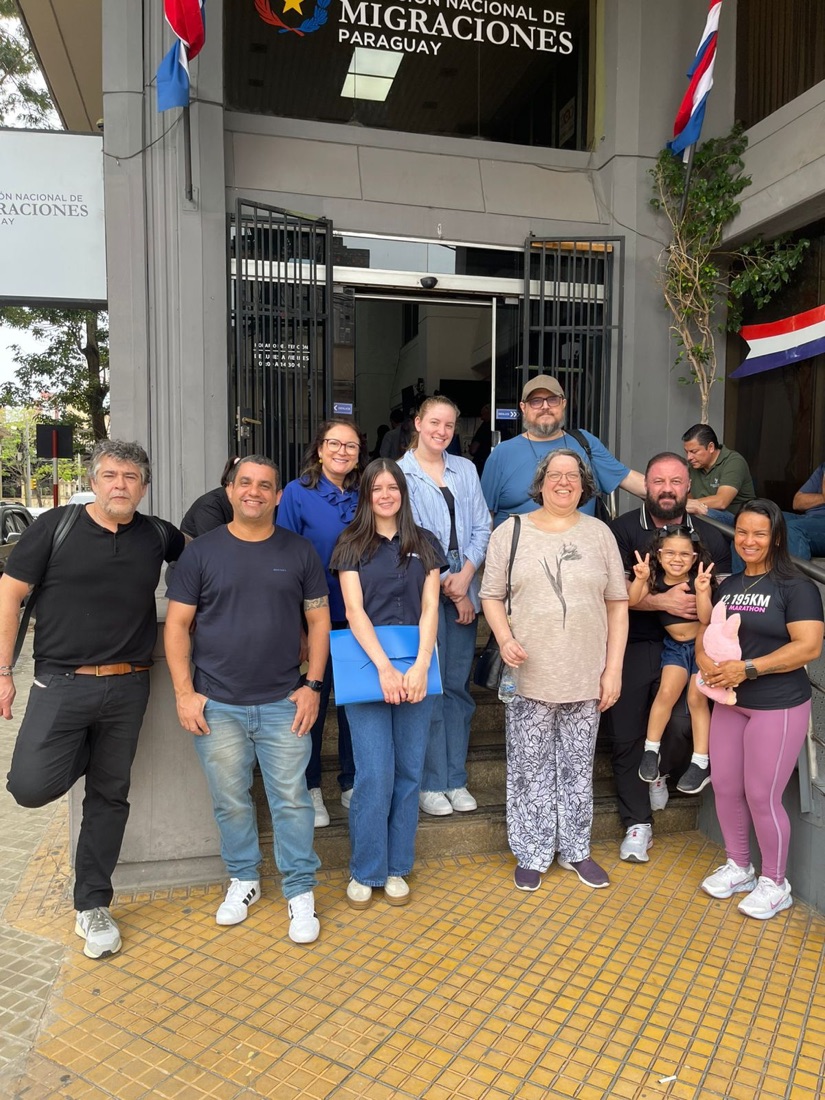
Photos of clients with the document they earned

A 25-minute conversationsolves what months of research do not

In Portuguese, Spanish or English: you leave knowing your path, the real timeline and how much it costs, with or without us.