

Global monetization? In Paraguay the math works: little or zero tax.
Immigration paperwork, tax exit, LLC, accounting in both countries, we handle it.

What hits zero, what doesn't, and what's left at year's end.
Separate your sources: that's exactly how the structure sees your revenue. It comes precalculated with an example; swap in your numbers and the result changes instantly. No signup, no e-mail.
US$ 4.000/mo from abroad + US$ 900/mo from local source
The zero applies to foreign-source income. The math below is only about that: the local-source part shows in the box beside it, with no promise.
Simplified simulation, all in dollars: 3 trips in year 1 and 1 per year after that. Platforms and countries where you sell may withhold at source. This isn't tax advice: your case is calculated in the free conversation.
How you get paid today, and why growing isn't fixing it.
Global audience, the structure of someone who just started. Nothing here is illegal, just expensive and exhausting. (The examples mention Brazil; the logic applies to any origin.)
AdSense, sponsorships, memberships, courses: once it lands on you as an individual, it all goes into the same bracket. In Brazil, the carnê-leão hits 27.5% fast, and almost every country has its own version of that.
A small company that can't hold the activity, a ceiling that bursts, a rule that shifts brackets, MEI and Simples in the Brazilian case. Every step up in growth turns into a meeting with the accountant.
You earn in dollars and get paid in your currency with a spread, and tax lands on the full converted amount. Three bites out of the same payment.
The audience doubles and your net income doesn't keep up. And each new revenue tier draws more attention from the tax authorities, scrutiny of creators has risen worldwide.
The problem isn't the content. It's a global audience trapped in a local structure. Below: what hits zero, what doesn't, within the law.
The zero is real on foreign income,and it doesn't exist on income from your own country.
Paraguay taxes only what's earned inside it. Foreign-source income, for someone who is a tax resident here, pays no income tax, even when the money enters the country. But only with the full set:
The cédula alone isn't enough: your tax residence has to be ONLY here. If it stays in another country, you pay there.
The one receiving the monetization, the platforms and the foreign brands is your LLC, with US accounting kept up to date.
The zero applies to what comes from abroad. What's earned from a local source follows the local rule, here and in any country.
Brands and audiences from your home country are a local source, a Brazilian brand deal, for example: they're in no one's zero. That part gets its own design, worked out in the conversation.
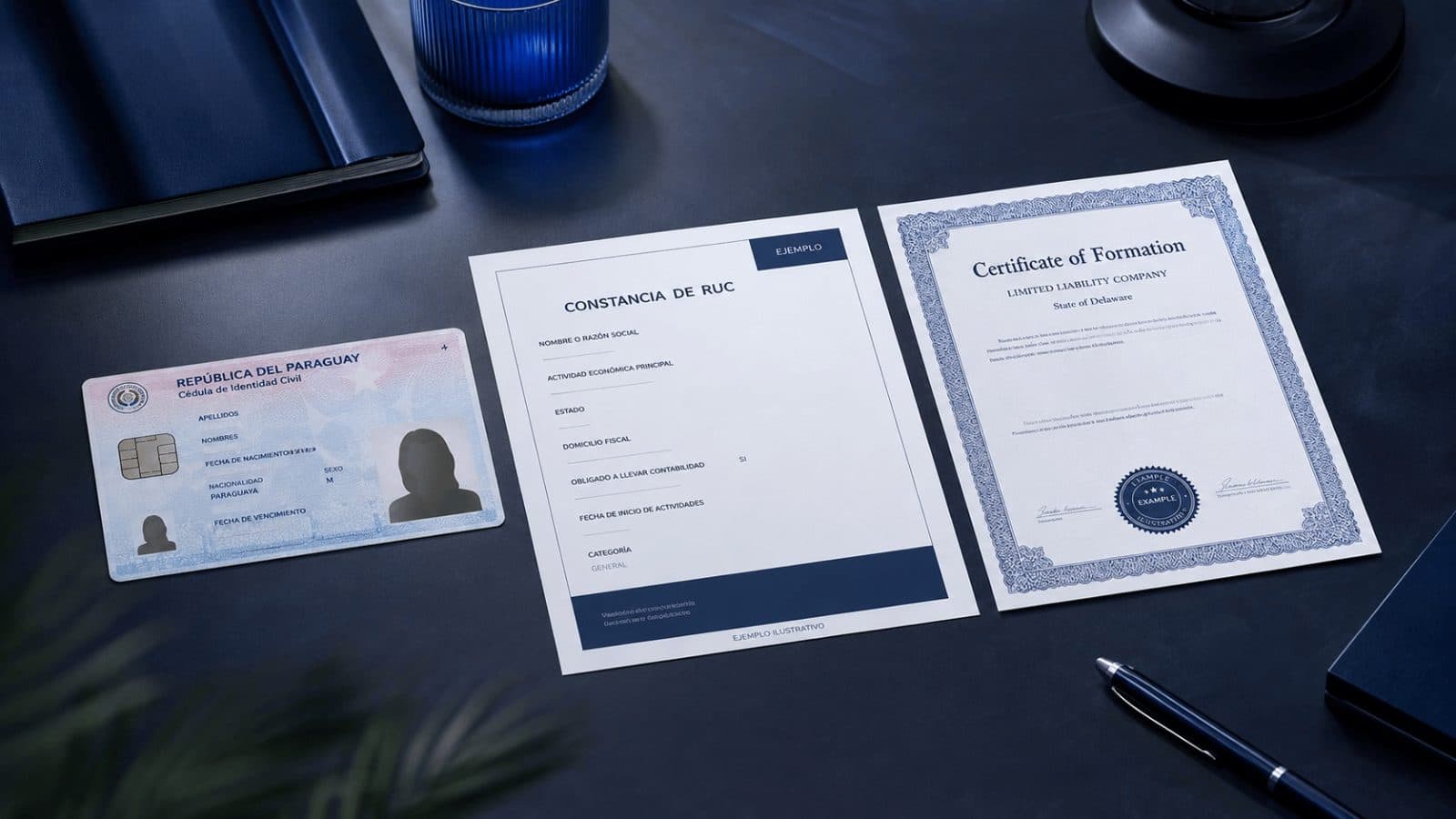
From the platform to you, with no tax along the way.
The question almost no one answers properly. The design is simple, and each stage has a name:
YouTube monetization, membership platforms, international brands, courses sold abroad, all paying your LLC, not you as an individual.
The money goes into your LLC's US bank account, in the company's name, with US accounting kept up to date.
Whenever you want, you distribute it and bring it to Paraguay. Foreign-source income, for a tax resident here: pays no income tax in Paraguay. The rule is territorial.
Changing ownership on the platforms (registering the company, the US form) takes a few days and has a set order. Nothing is switched off before the new end is already receiving, the monetization doesn't stop.
If the audience pays in dollars,the design is the same.
Different formats, the same logic: whoever pays you is abroad, and each of these sources can flow into your LLC:
And the part that comes from your country's brands or audience isn't left unanswered: it's left without a promise. Its design is done case by case, in the free conversation, in Portuguese, Spanish or English, whichever you prefer.
Four pieces, one order, without stopping posting.
The whole path, with the operation's real averages. Each step opens in a new tab.
The first of the three trips in year 1: residency filed, the immigration base for everything.
Your Paraguayan identity, and the door to the RUC, the bank account and tax residence.
The formal break with the tax authority, handled by Romper. From another country? The exit is with a lawyer there, the rest, with us.
RUC issued, tax residence active, and a tax and mailing address at Romper's cowork.
The company that receives the monetization, the platforms and the brands, opened and maintained by Romper, with accounting included.
LLC renewed, Personal up to date, entries into the country tracked, the SOR watches the deadlines and warns you ahead of time.
The full setup calls for three trips to Paraguay in the first year. The order above is Romper's recommendation, the manager confirms your case, and what gets resolved on each trip, in the free conversation.
Three trips to set it up.After that, you record from wherever you want.
The honest answer has two parts: setting it up takes work, it's three trips in the first year. Keeping it up is light, Paraguayan immigration rules ask for one entry per year. Your set stays wherever you are.
What setup really requires: the three entries that build your complete structure. The manager tells you what gets resolved on each one before you buy a ticket.
Once it's set up, on temporary admission. One entry per year keeps your immigration base active.
After permanent residency. One entry every three years and your base stays alive.
Four fronts, one contact, and you only worry about the content.
The market would have you hire four providers who don't talk to each other. Here the four fronts have a single owner:
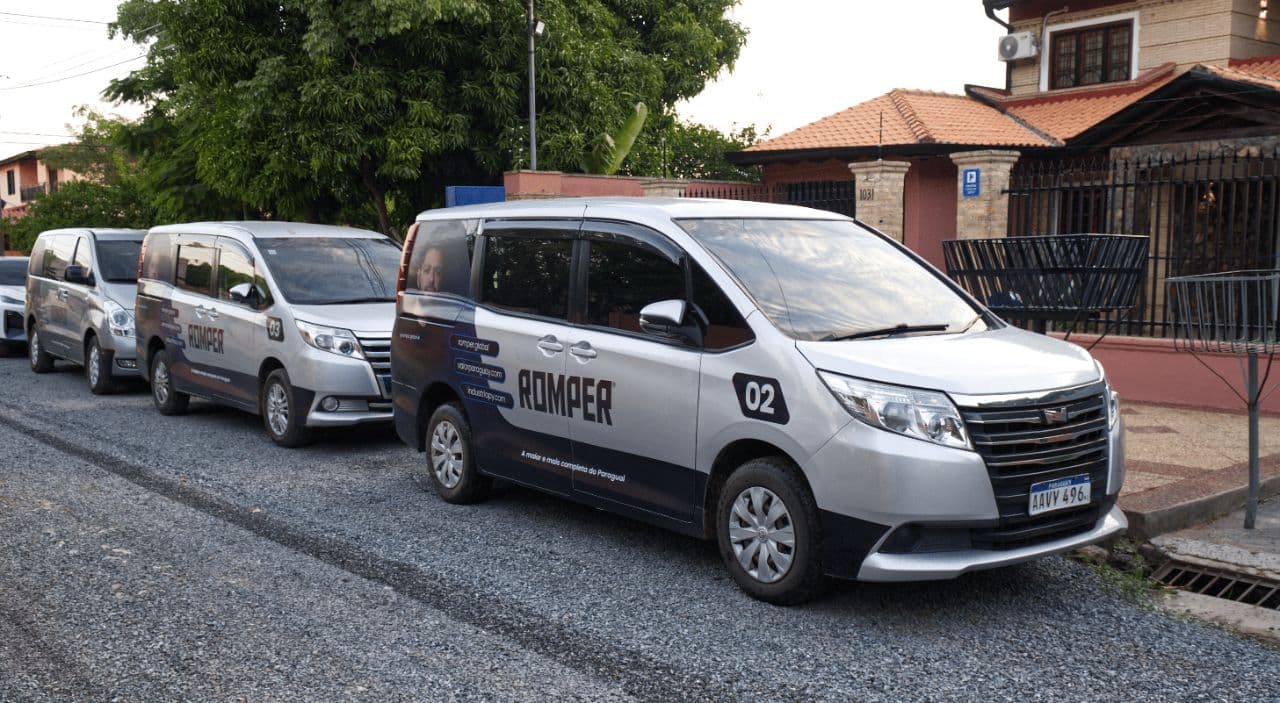
Admission, cédula, renewal and permanent residency, with Romper's team and fleet.
Formal exit from Brazil and a live Paraguayan base, the piece that holds up the zero.
RUC, filings and local obligations on time, every month.
The LLC is opened and maintained by Romper; the bookkeeping in the US is handled by our partner firm, hired and coordinated by us. You always deal with us.
The only firm you knowwith a studio inside its headquarters.
Romper's registered cowork is your fixed point on the map: a tax address for registrations and banks, a mailing address for correspondence, and when you pass through Asunción, Romper's studio is your recording spot.


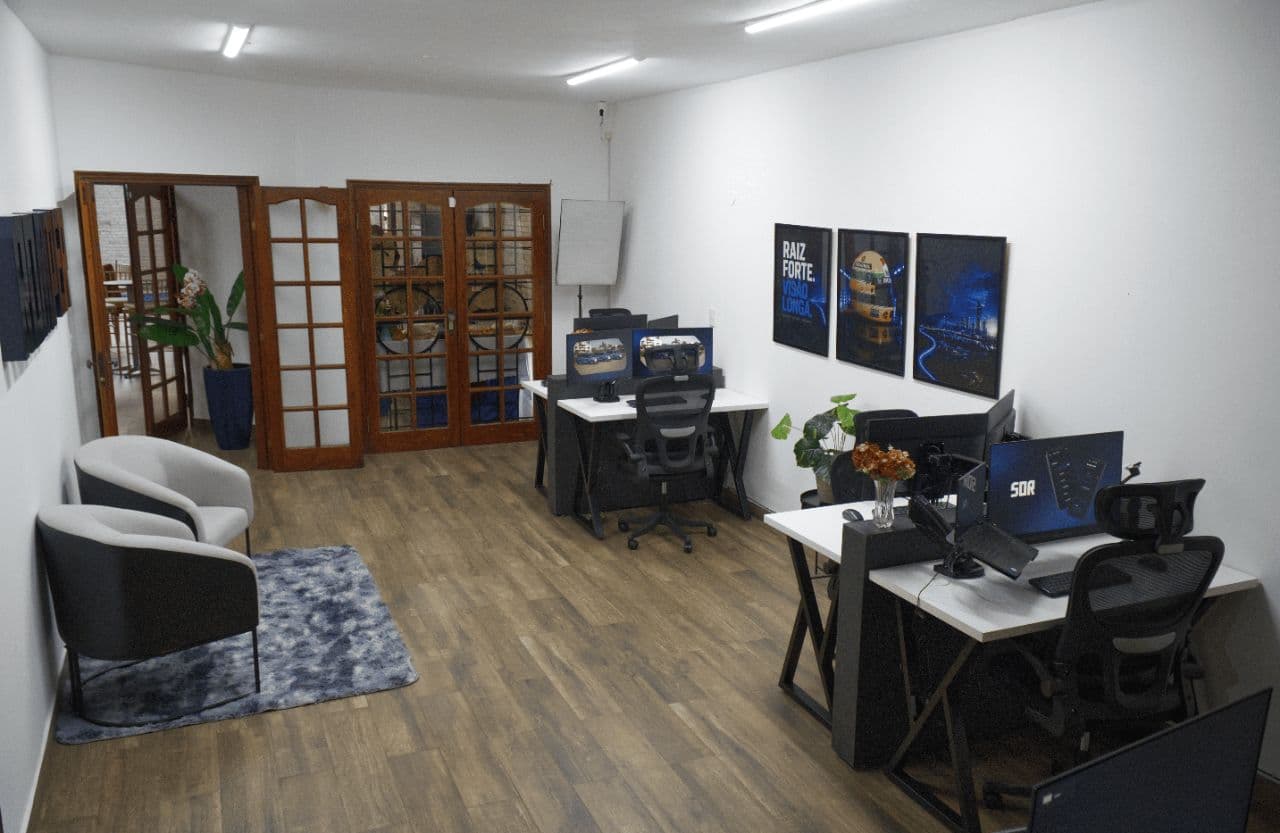
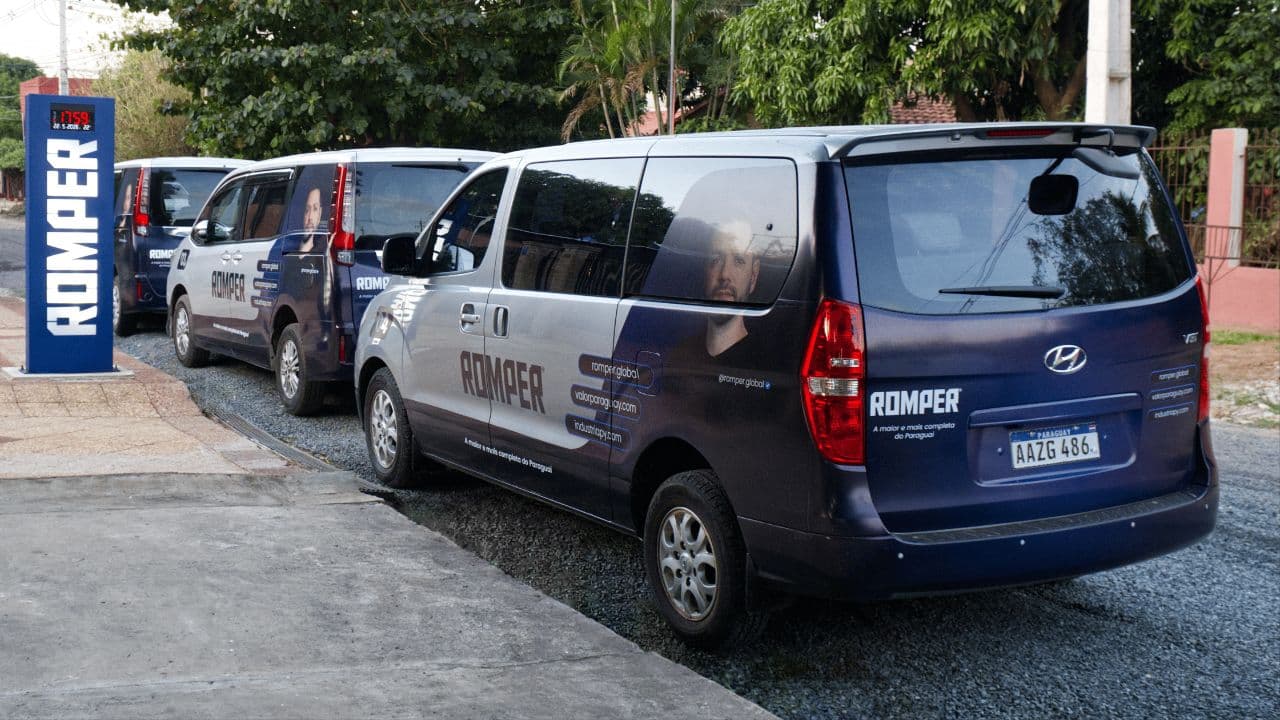
Built by people whoalso live off an audience.
Romper's founder has a channel that 700,000 people follow, we know monetization, brand deals and platforms from the inside, because we live off it too. And behind the channel there's what the digital competitor doesn't have:
And +2,000 cases in the last year and a half, consistency that only volume builds.
Document in hand or your money back, written, public, on the site.
Headquarters, fleet and team in Paraguay, not an address rented for the photo.
A reputation on public display every day, for years, not a bought ad.
Real Romper clients. Video testimonials, never made-up text.
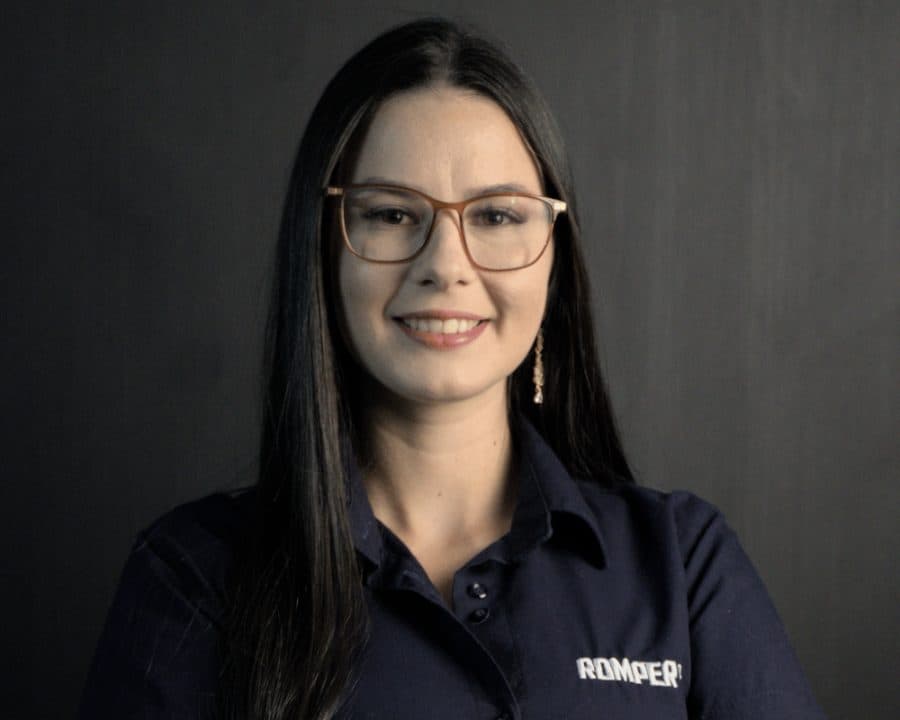
She's the one who designs your structure in the free conversation, and answers for it afterward.

He keeps your Paraguayan tax base alive, the piece that holds up the zero.
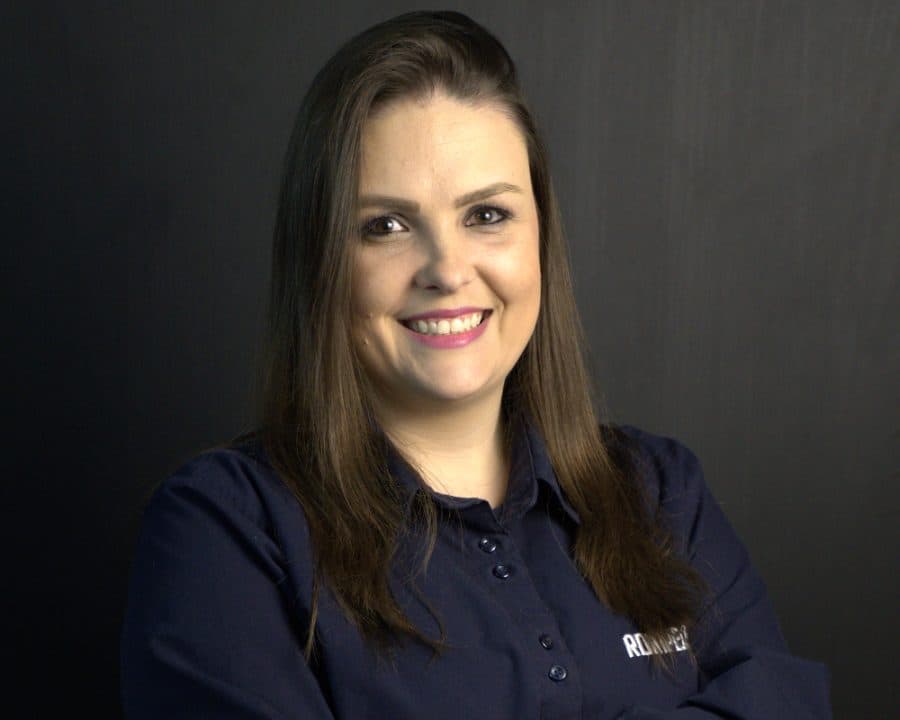
She handles the formal break with the tax authority, the part that decides whether the zero holds or not.

Contracts, terms and the legal side of both companies, Romper's team, not a freelance lawyer.
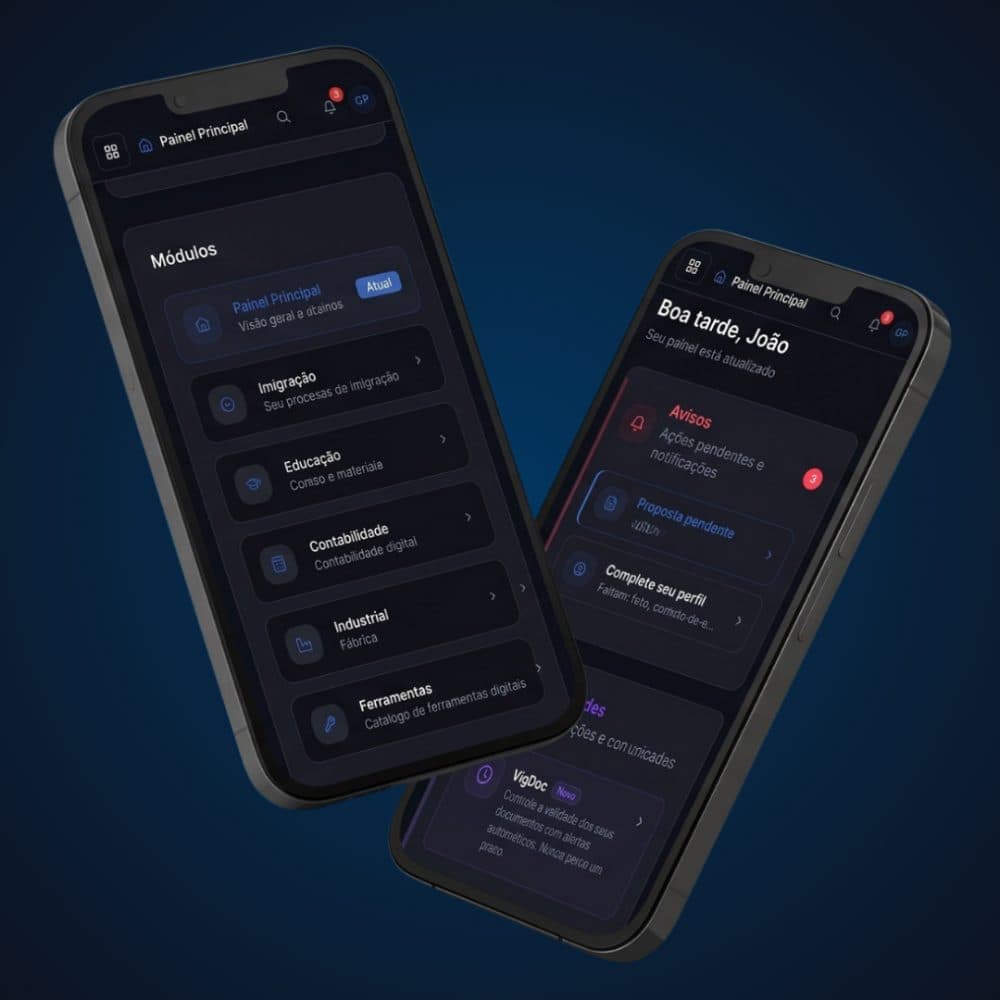
The whole structureinside one app.
You edit, post and reply from any time zone, your structure should work the same way. In the SOR, Romper's own system, you track everything: documents, deadlines, obligations for both sets of books, and your entries into the country.
- Every step and deadline, visible in real time
- Alerts before any due date: LLC, Personal, immigration
- Documents in one place, no hunting for PDFs in your e-mail
Competitors run on spreadsheets and messages. A proprietary system, only here, it took roughly US$ 150k of investment so you don't depend on anyone remembering you.
We're not rightfor every creator
Better to know now than once the structure is already built.
It makes sense for you if
- A meaningful part of your revenue already comes from abroad: monetization, platforms, foreign brands
- You want to stop getting everything paid to you as an individual
- You'll make the move for real, tax exit and a base here
- You want everything within the law, with each source in the right place
It doesn't make sense if
- Your revenue is still almost all from your country's brands and audience
- You expect to zero out everything, including Brazilian brand deals, without changing anything
- You just want to open an LLC and keep living in Brazil
- You expect a shortcut outside the law, here or there
The 10 questions content creators ask most
What this profile asks before building the structure. Whatever is specific to your case, the free conversation resolves.
Do AdSense and monetization really hit zero, or is it guru talk?
And brand deals from my own country (Brazilian ones, for example)?
I sell a course in my country, through a platform there, what changes?
Do I need to live in Paraguay?
Do I lose monetization when I change ownership?
Do people who do this get audited?
I'm not Brazilian, do you handle my tax exit?
How much does it cost to maintain the structure per year?
Why you, and not an accountant who opens LLCs?
How much does it cost to take the first step?
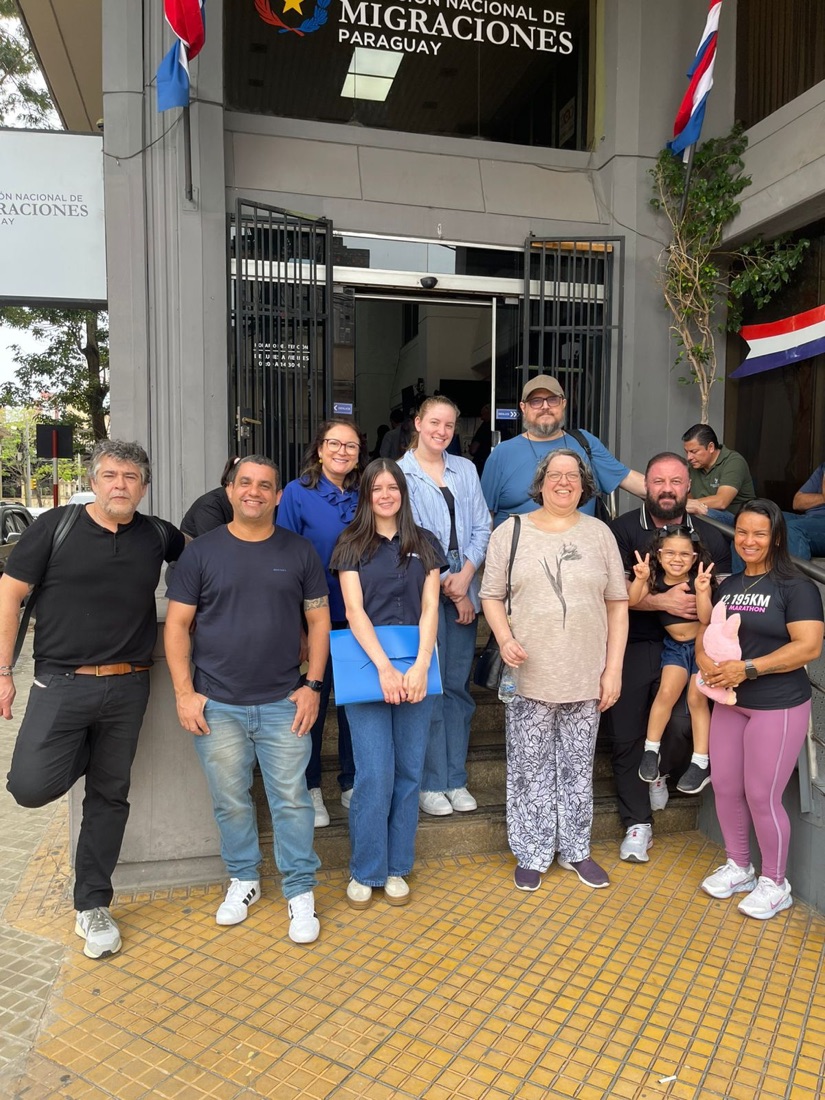
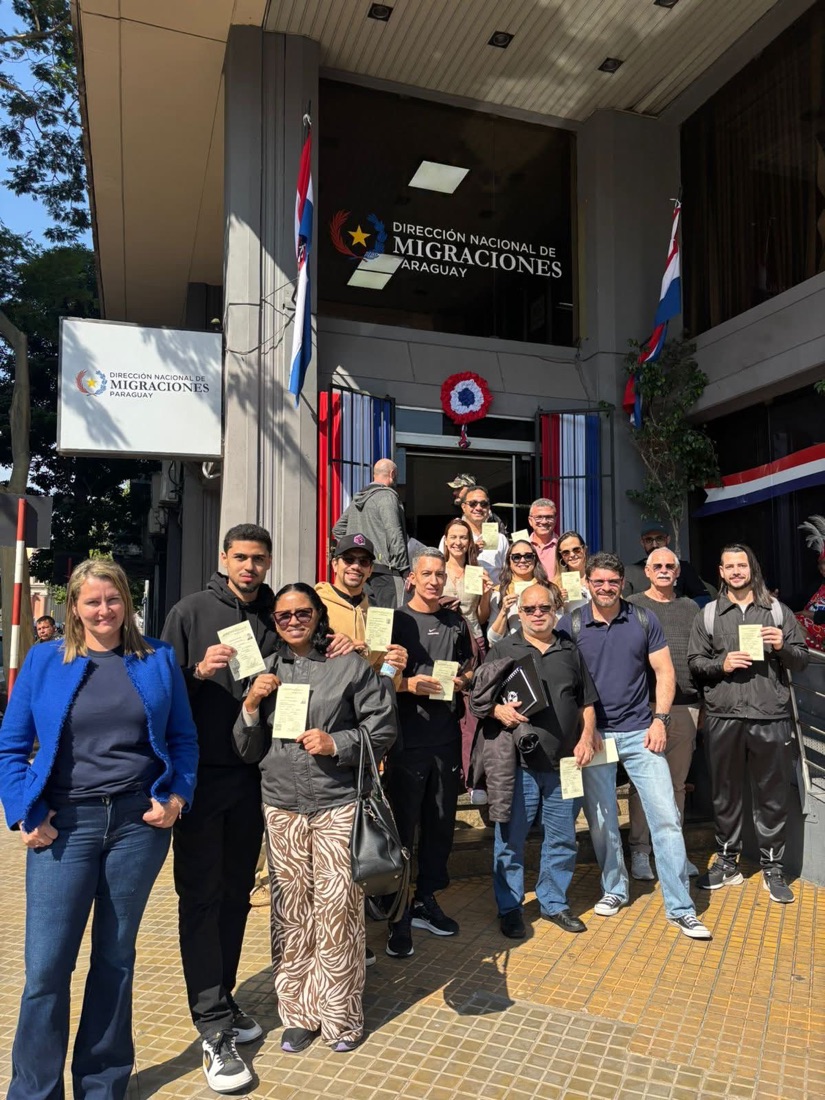
Creators whoalready get paid from here.
People who live off AdSense, sponsorships and foreign brands, with their structure sorted.
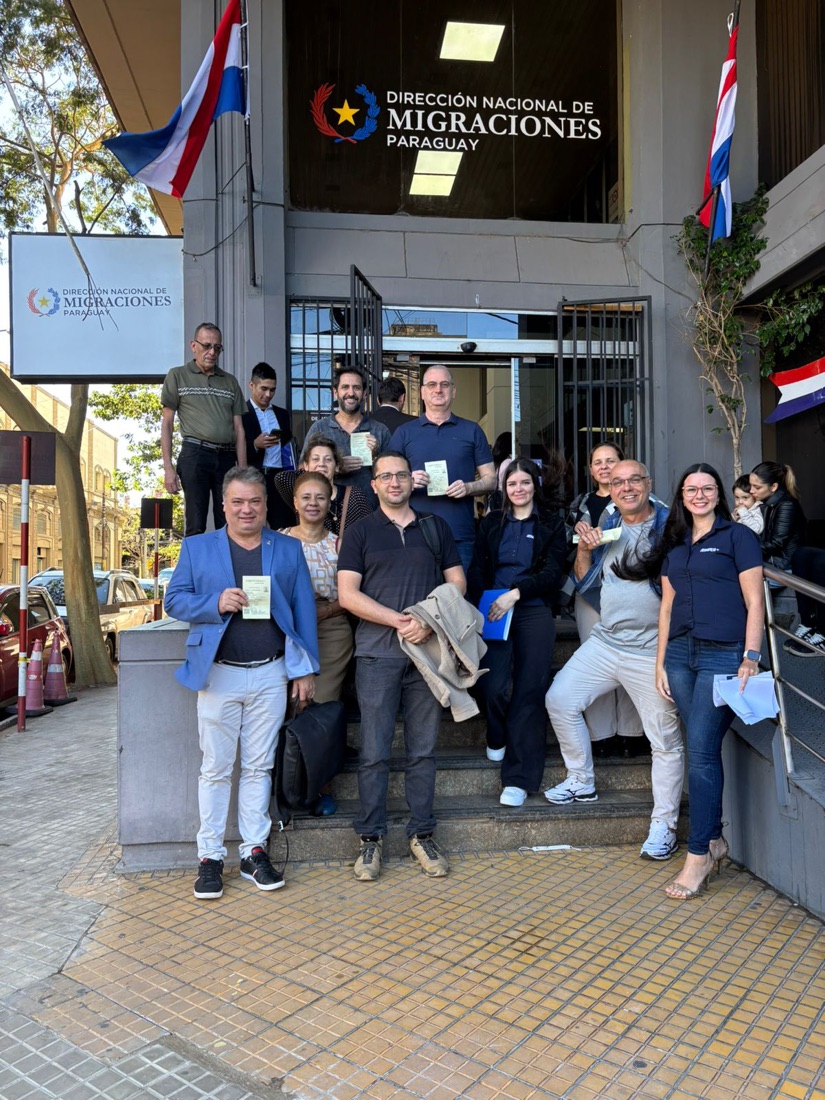
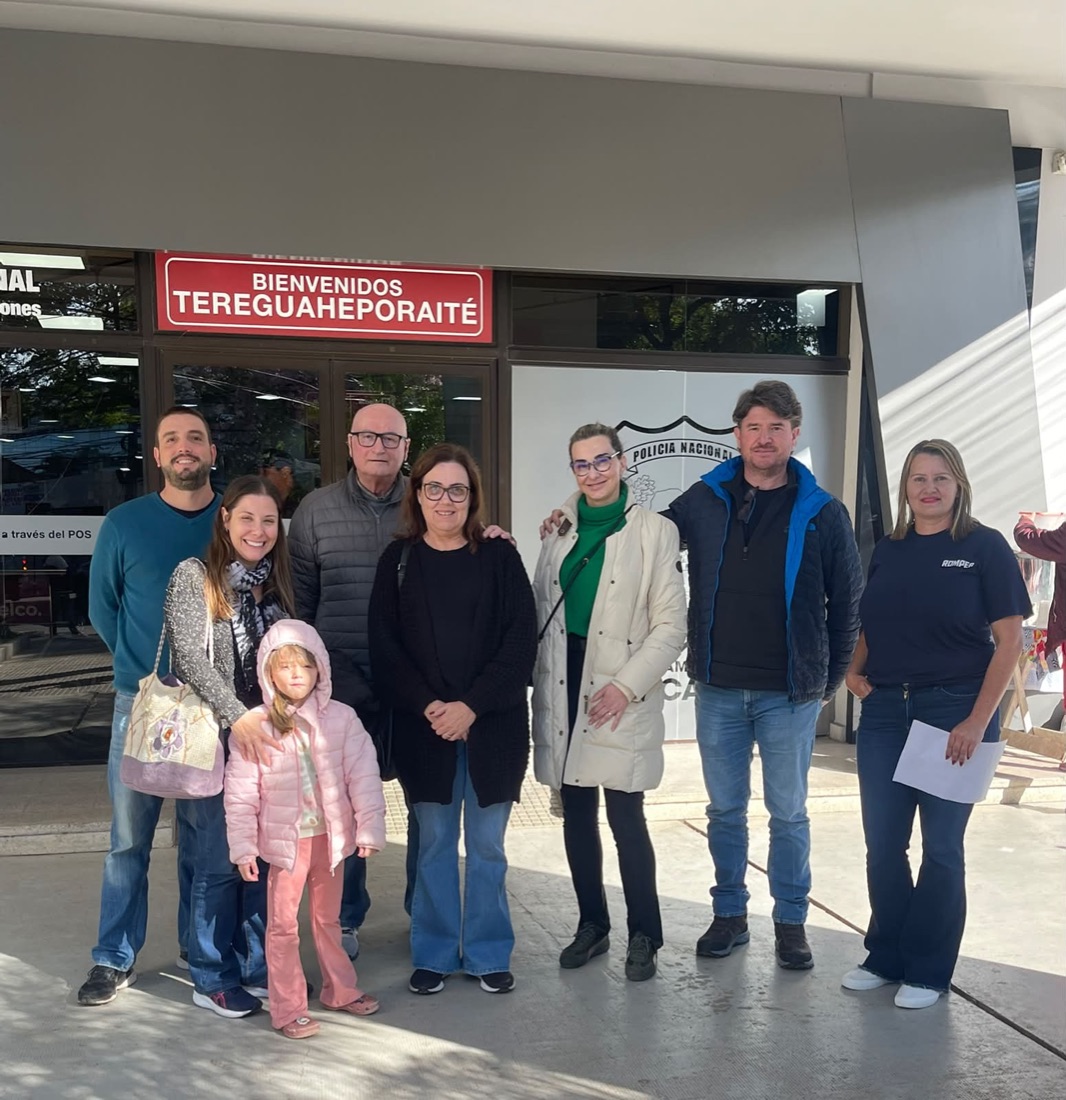
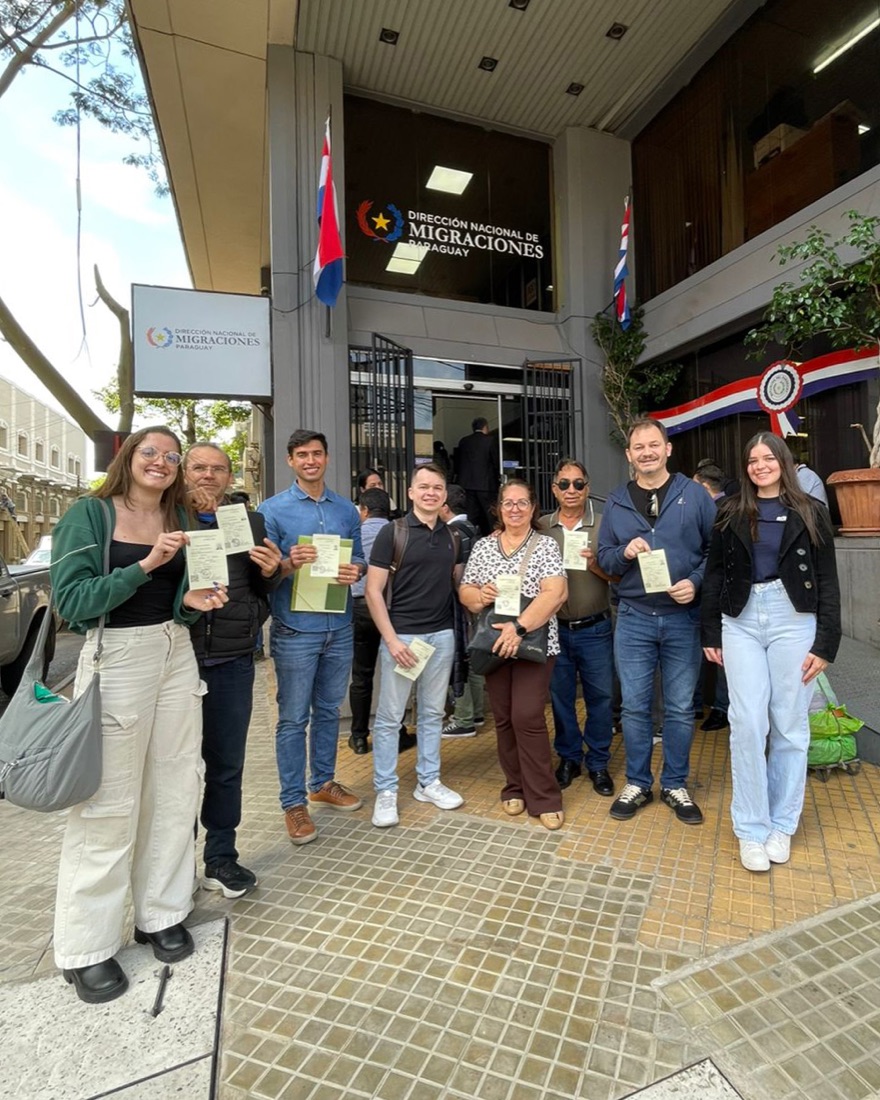
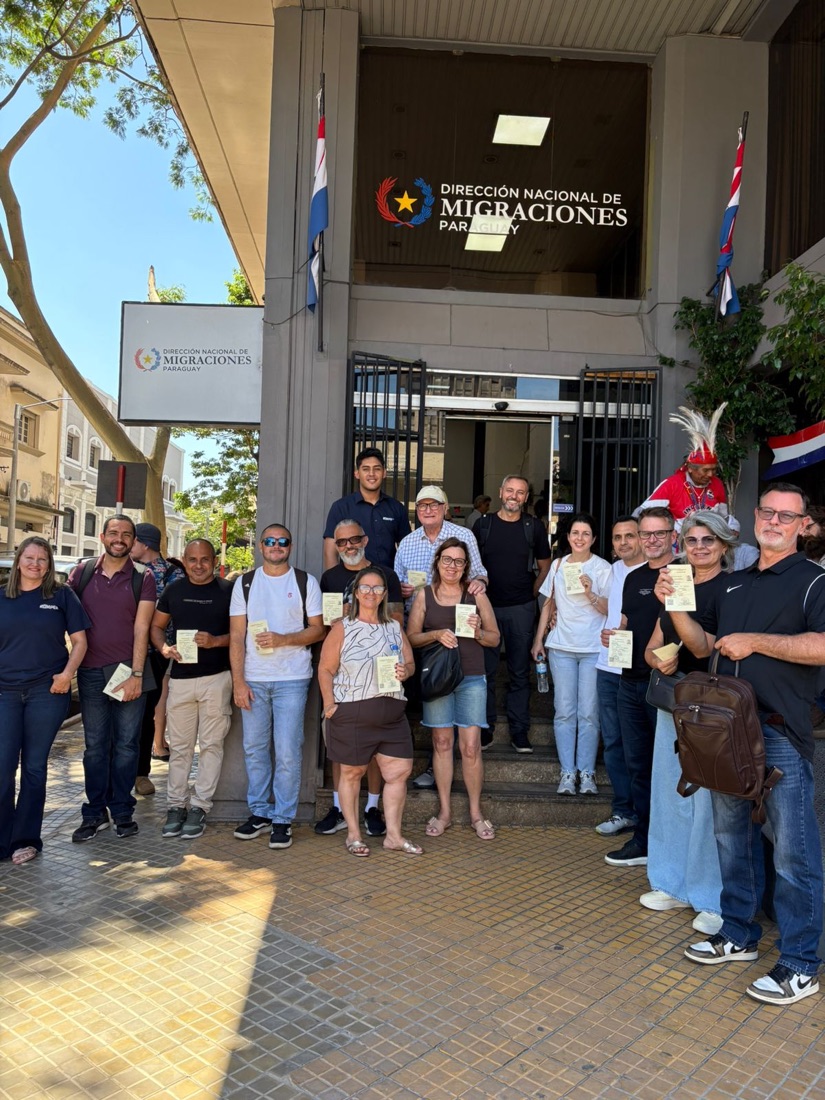
The audience is already global.Now the structure needs to be too.
Message on WhatsApp, the conversation is free: the immigration manager splits out your mix, designs the structure with costs, order and trips, and puts together the ideal package for your case.