

Paraguayan citizenship: more than a passport.
The process is called naturalization: the Carta de Naturalización, before the Supreme Court of Paraguay. Nationality on the day it is granted, automatic citizenship two years later, with eligibility confirmed before you pay for the process.
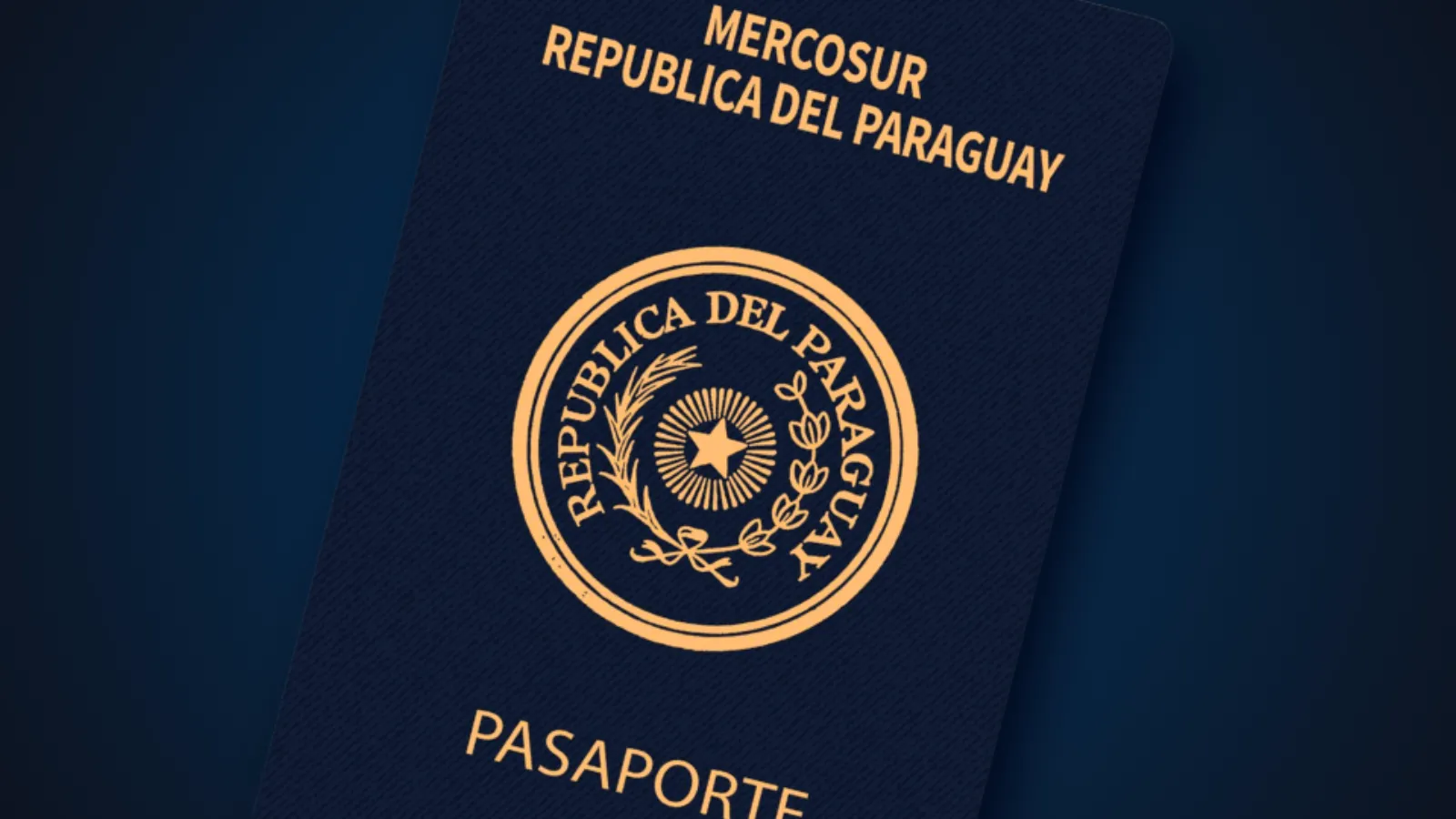
One path,three words
The process. It runs at the Supreme Court of Justice, with the Public Prosecutor's Office intervening, and ends in an exam, an oath; and the Carta in your hand, the same day.
What the Carta grants. You stop being an admitted foreigner and become Paraguayan: Paraguayan cédula, passport, an end to Migraciones renewals.
It comes on its own, two years after the Carta (Constitution, art. 152). No new process: political rights are born, the right to vote and be voted for.
All of this isincluded
- Special Case Analysis, with a written legal opinion
- Evidence file assembled and checked: the official list has 14 items, and your case may require more
- In-person filing at the Court, with the lawyer at your side: the law requires representation
- Responses to requests from the Public Prosecutor's Office and the Judicial Secretariat, on time
- Preparation for the exam and for the oath before the Court
- Visible progress in the app, without you having to ask
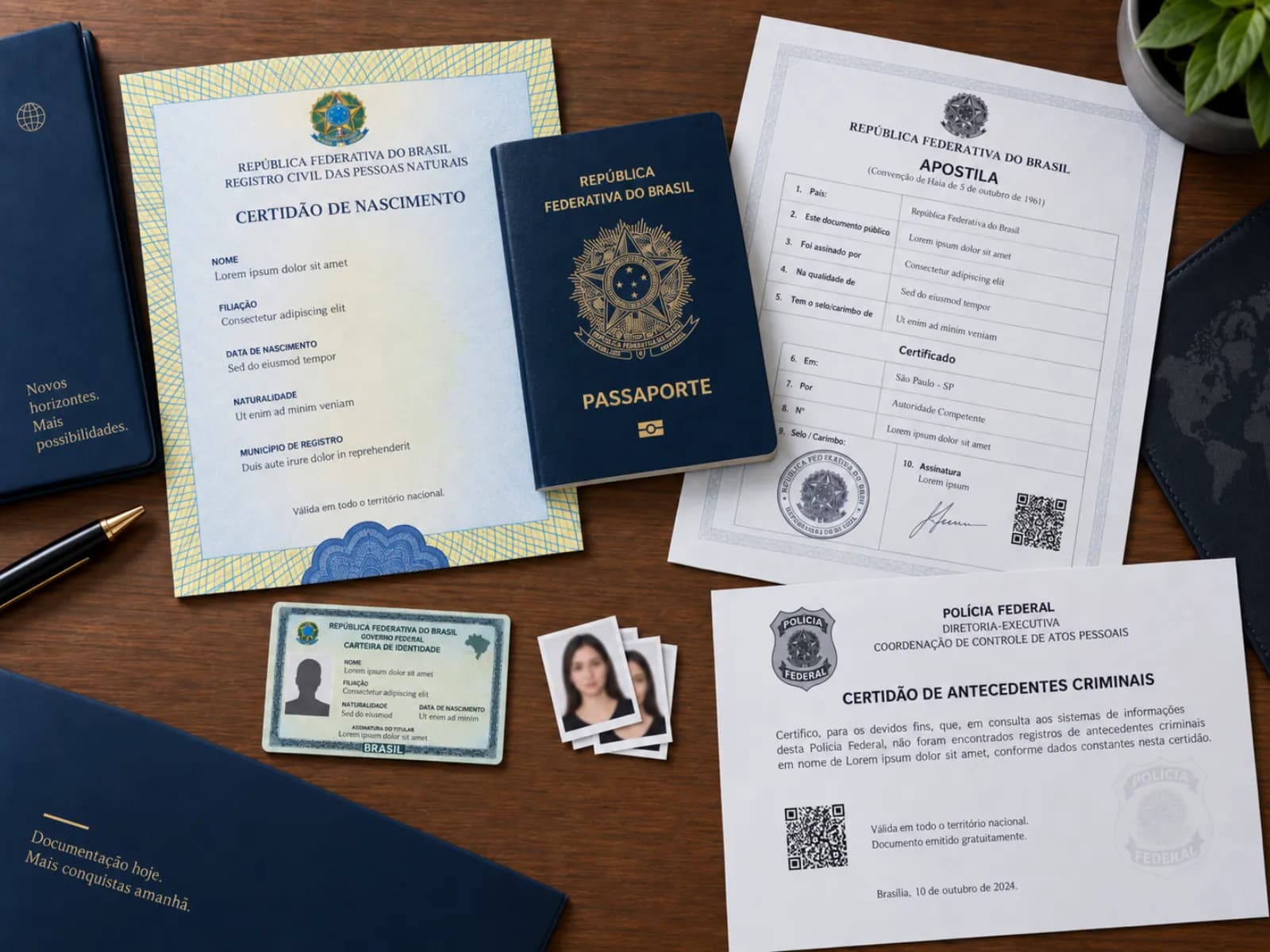
And this runsseparately
Told before you sign, not after.
- Court fees and translations by a translator registered with the Court
- The pace: it is set by the Court and the Public Prosecutor's Office
- The outcome: the Carta is a grant by the State; no one serious “guarantees” naturalization
- Documents from your country of origin, apostilled
- Your 3 appearances in Paraguay: the process requires you there
- Keeping your permanent admission valid throughout the process
Naturalization,in three numbers
Why it isa separate service
Temporary, permanent, cédula. They run at Migraciones, with objective requirements and counter-desk timelines.
A discretionary process before the Supreme Court of Justice, with the Public Prosecutor's Office intervening and the President of the Court deciding. The State grants, it does not rubber-stamp. Another rite, another team, another way of handling it.
What you need to havein order
The Migraciones certificate must prove three years of permanent admission. The temporary residency clock does not count.
Life happens in Paraguay: it is what lawyers call arraigo. In those three years, being away more than 3 months in a year breaks the requirement.
Regular exercise of an activity (RUC, IPS, business license, study or a degree) and a clean record in both countries, apostilled.
An exam in Spanish or Guaraní on history, geography and the Constitution; and the oath before the Court.
A real link is not declared: it is proven. The Public Prosecutor's Office asks for proof of what you claim: active RUC, filings up to date, IPS, a company with activity, property, family. It is the same material that Res. 407/2026 already requires for permanent residency: whoever kept their accounting alive arrives here with the file half done.
How we handle itstep by step
What you gain,and when
You are a Paraguayan national: Paraguayan cédula, your own passport and the end of Migraciones renewals.
Citizenship comes on its own (Constitution, art. 152): political rights, no new process, no new request.
A naturalized citizen's nationality is lost through unjustified absence from the country for more than 3 years, declared by a court. The link that brought you here keeps holding down the road.
Price on the screen,no asterisk
- Evidence file assembled and checked by the team
- In-house lawyer from filing to Carta: the law requires representation
- Preparation for the exam and for the oath
- Real-time tracking in SOR
From filing to Carta, without you becoming a lawyer.
Special analysis approved. The US$ 449 becomes a full credit toward the process, for 30 days.
Evidence assembled, filing in Asunción. You present, the lawyer at your side, sworn statement signed.
Court and Public Prosecutor's Office answered on time. Progress in the app, without you asking.
Exam, oath, and the Carta the same day. Nationality in hand. Two years later, citizenship comes on its own.
Naturalization is notfor everyone
Better to know now than to find out in the middle of the process.
It makes sense for those who
- Already have 3 years under permanent residency and a real life in Paraguay
- Want the definitive link: nationality and, two years later, citizenship
- Accept a process with an exam, an oath and 3 appearances in the country
- Think in terms of 10, 20 years, and what is left ready for their children
It makes no sense for those who
- Want a “fast passport”
- Spent the last few years abroad: absence over 3 months in a year breaks the requirement
- Seek nationality to solve a tax or legal problem
- Are still on temporary residency: the 3-year clock has not even started
Wherenaturalization goes wrong
Oaths happen only a few times a year, and the pace belongs to the Court. Whoever promises you a quarter is selling a problem with a stamp on it.
Whoever never lived in the country does not survive the Public Prosecutor's Office: an unresolved request for proof ends the process. A real link is not fabricated on the eve.
The exam is in Spanish or Guaraní, on history, geography and the Constitution; and there are mandatory appearances. Failing, not swearing or not showing up brings it all down. That is why you are prepared beforehand.
Romper's in-house lawyer is Brazilian, with a degree validated in Paraguay, not an outsourced firm. He knows the process from both sides: that of the country that grants and that of the immigrant who asks. Evidence file assembled by someone who does this every day, and you prepared before the exam and the oath. No surprises in the room.
Questions from those who want Paraguayan citizenship
The real questions of those who reach this page.
What is the Carta de Naturalización?
Aren't nationality and citizenship the same thing?
Does my time on temporary admission count?
Do I need to live in Paraguay full-time?
Do I lose my Brazilian nationality?
What is the exam like?
How many times do I need to be in Paraguay?
Can I sign up directly, without the Case Analysis?
I am the child of a Paraguayan, or married to a Paraguayan. Does anything change?
After the Carta, can I live abroad?
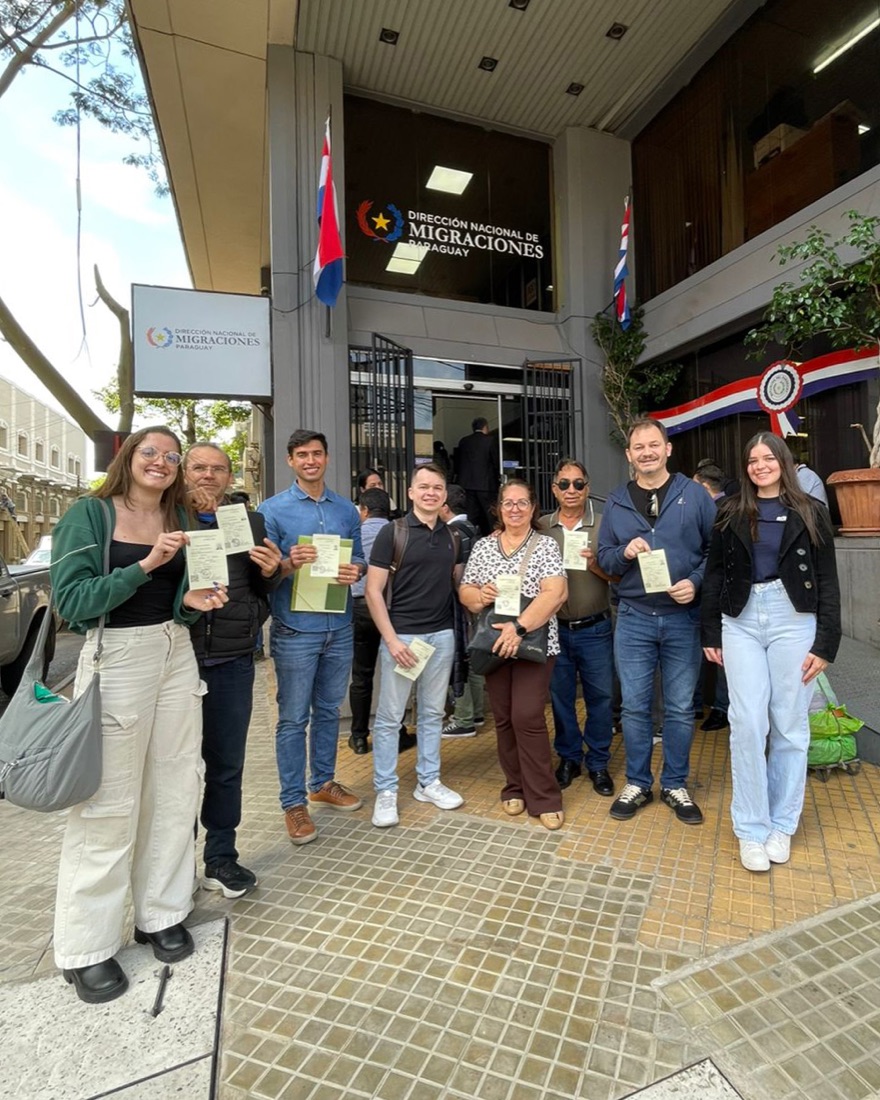
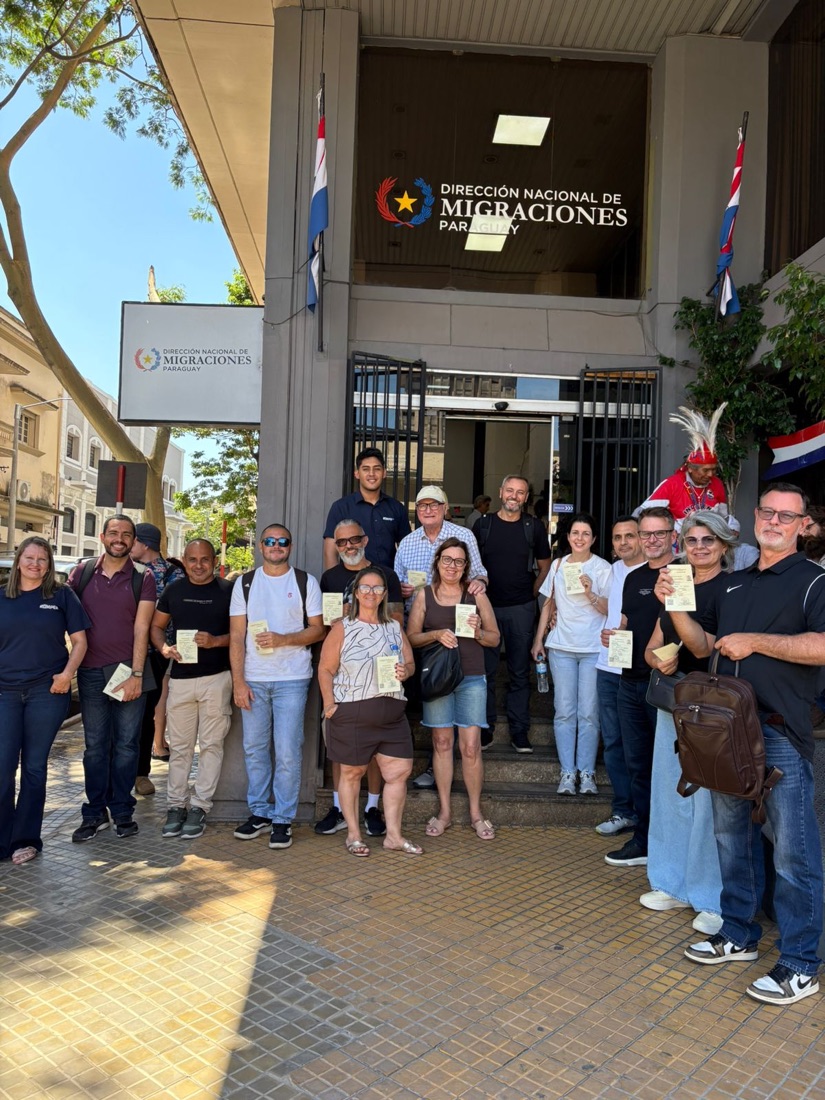
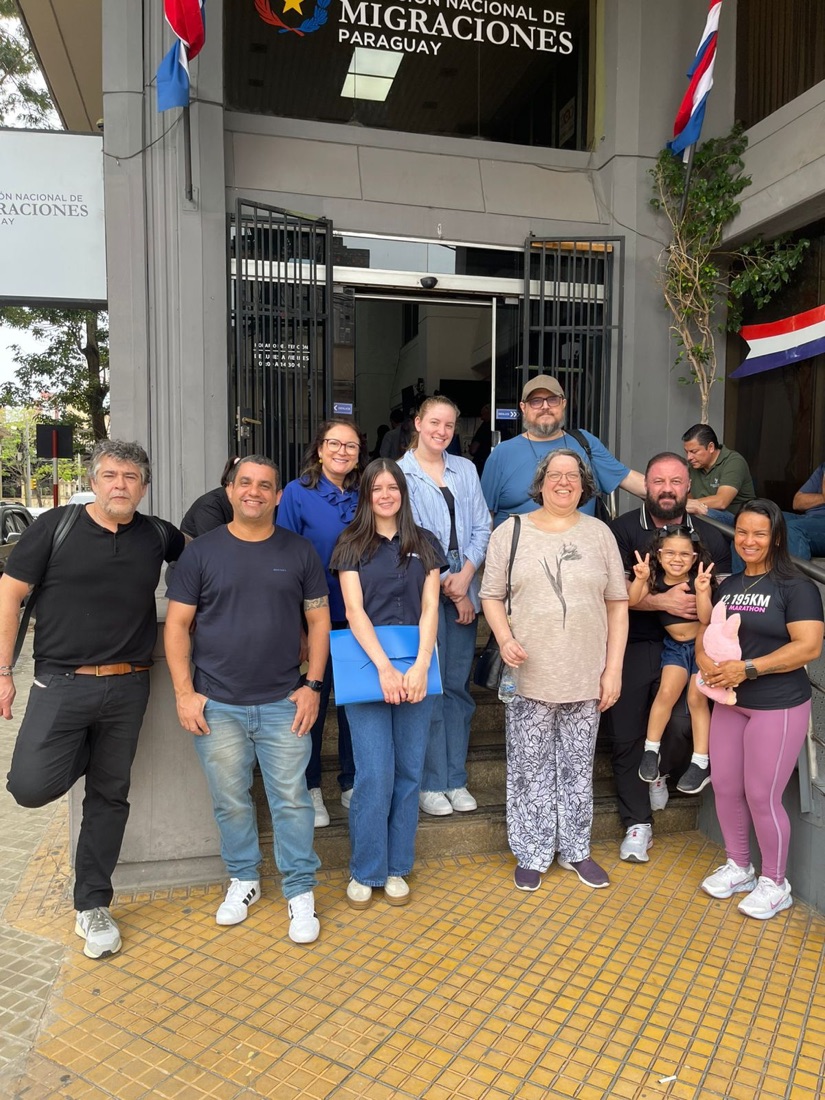
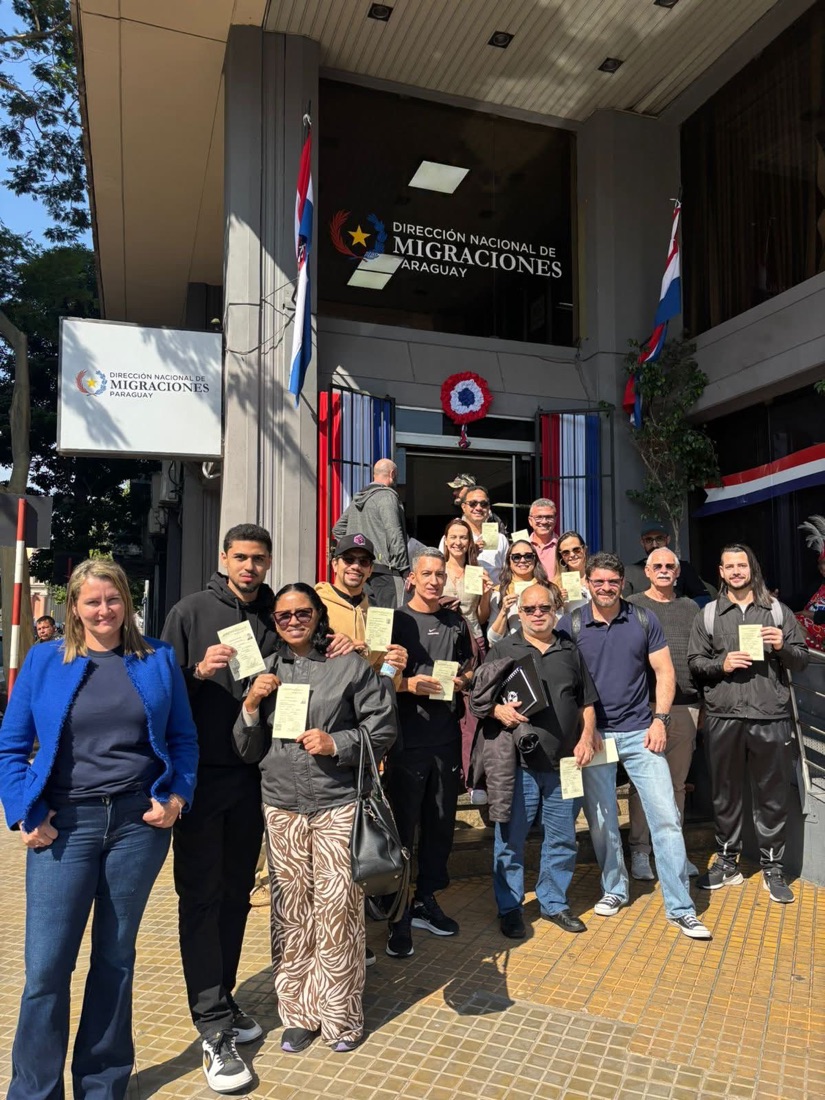
The Carta de Nacionalidadin the hand of those who waited the years.
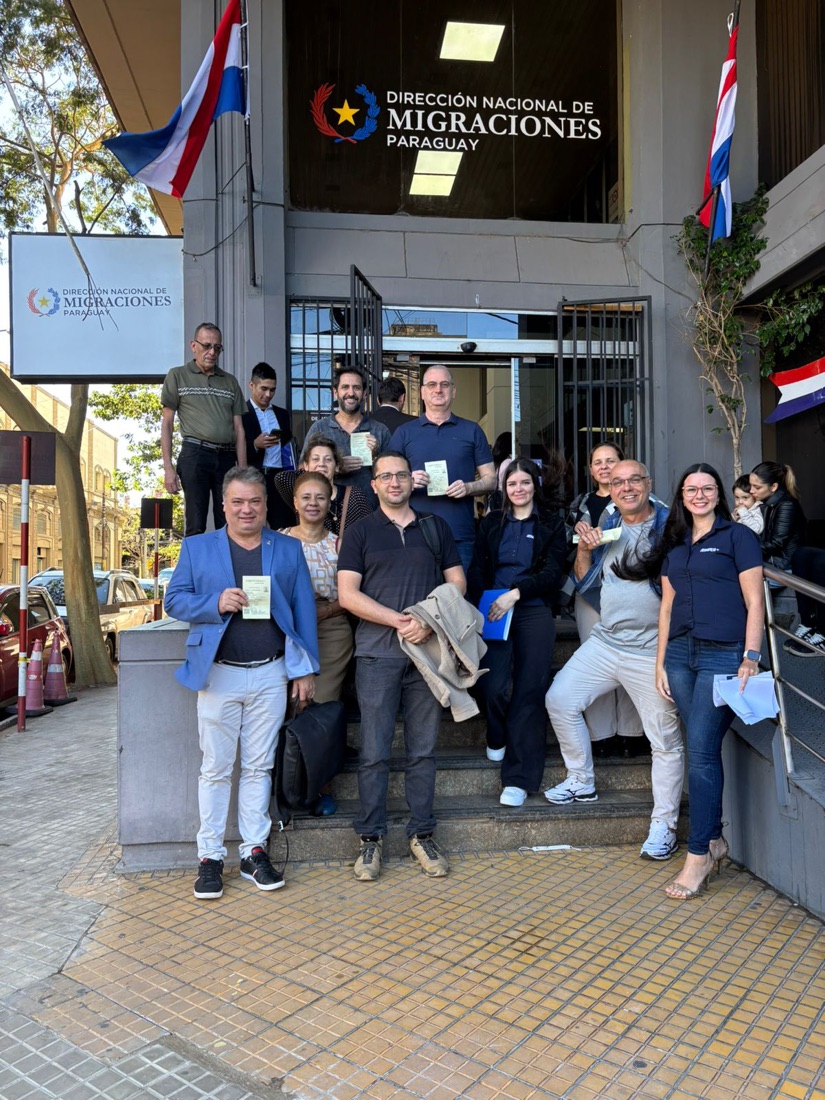
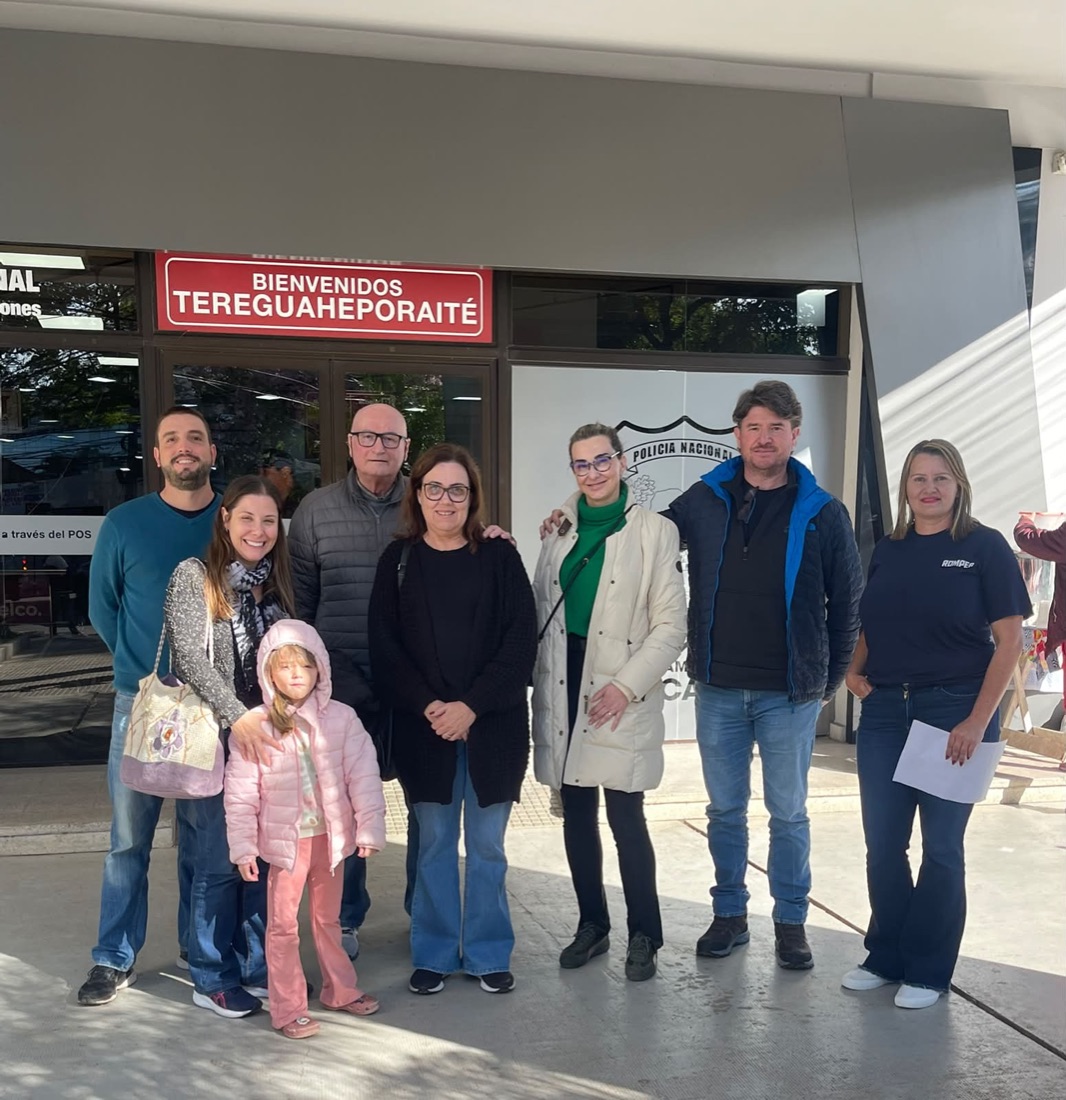
The end of the two-year road, and the photo of the day the Supreme Court approved.
A 25-minute conversationsolves what months of research do not
A free meeting with a manager: your history, your eligibility and the path to the Carta, no strings attached.