

Get paid in dollars and pay little or zero tax in Paraguay.
Immigration paperwork, tax exit, LLC, accounting in both countries, we handle it.

How much is left, and fromwhen is it worth it?
It comes pre-filled with an example: swap in your own numbers. The math includes what almost no one shows (the trips to Paraguay) and tells you from what income the structure pays for itself. No sign-up, no e-mail.
Earning US$ 5.000/mo abroad
With the right structure, the income tax on that income in Paraguay is zero: what you pay is the upkeep of the structure and the trips to the country.
Simplified simulation, with 3 trips in year 1 and 1 per year for upkeep. Countries where you sell may withhold tax at source (sales to Brazil, for instance): that's a matter for a professional there. Our specialty is Paraguay. 2026 data.
How you get paid today, and why it wears you out.
You earn in dollars in a system that wasn't built for it. Nothing here is illegal, just expensive and exhausting. (The examples cite Brazil; the logic holds for any origin.)
You received from abroad as an individual, assessed it and paid. In Brazil it's the carnê-leão, with a top bracket of 27.5% arriving fast, and almost every country has its own version of this.
Sizable amounts coming from abroad every month trip a signal at the tax authority. Whoever gets paid abroad without the right filing lives waiting for the letter.
Many people invoice through their Brazilian company what actually landed in their personal account abroad. Personal and corporate mixed together, and the proof of where the money came from stays loose.
Taxation of investments and foreign income has changed several times in recent years. You plan in dollars and relearn the math with every new measure.
The problem isn't you. It's global income trapped in a local structure. Below: how it gets fixed, within the law.
The zero is real, with the three pieces in place.
Paraguay taxes only what is born inside it. Foreign-source income, for those who are tax residents here, pays no income tax, even when the money enters the country. But that only works with the full set:
The ID card isn't enough: your tax residency has to be HERE, and only here. If it stays in another country, you pay there.
The one that invoices your clients and platforms is your LLC, inside our structure, with US accounting up to date.
The zero applies to what you earn from abroad. Whatever is born from a local source follows the local rule, here and in any country.
And the warnings nobody gives: the countries where you sell may withhold tax at source, sales to Brazil, for example. And if you're not Brazilian, the tax exit from your country is with a lawyer there. Our specialty is building and sustaining the Paraguayan and US side of the structure.
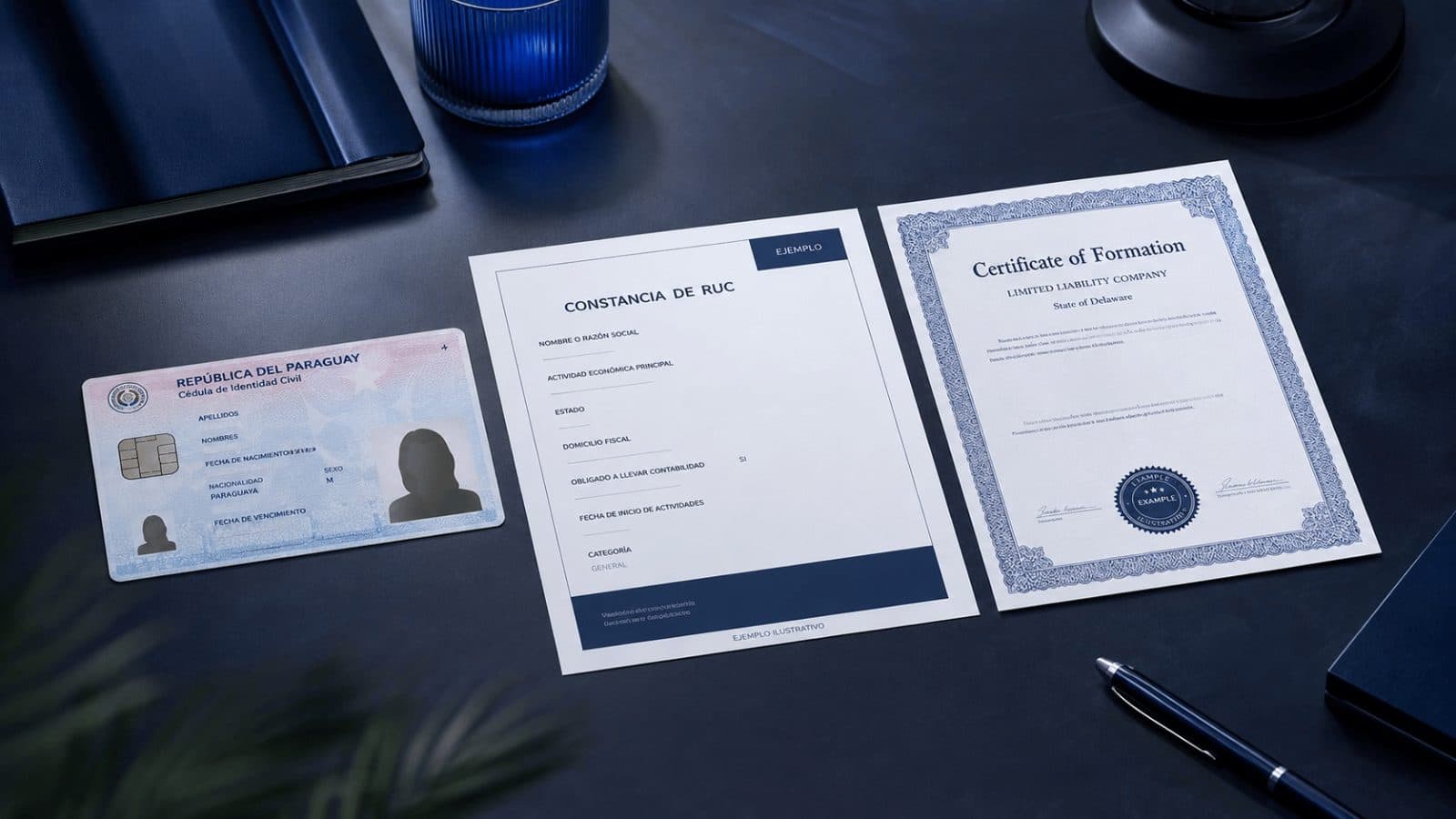
Where the money lands, and how it reaches here tax-free.
The question almost no one answers properly. The layout is simple, and every stage has a name:
Freelance contracts, direct clients and platforms, YouTube monetization, marketplaces, gateways, they pay your LLC, not you as an individual.
The money enters your LLC's US bank account, in the company's name. That's where your operation lives, with US accounting up to date.
Whenever you want, you distribute it to yourself and bring it to Paraguay. Foreign-source income, for those who are tax residents here: pays no income tax in Paraguay. The rule is clear, tax residency here is territorial.
For whoever pays you, only the invoice recipient changes. For you, the place where the money rests changes. Each platform has its own rule for registration, forms and withholding, the manager arranges the order in the conversation so you're never left unpaid mid-switch.
If your income travels with you,the structure is the same.
Different professions, the same layout: whoever pays you is abroad, and your tax base needs a better home than your suitcase.
YouTube and platform monetization, freelance contracts, client payments, all coming in straight to your company, not to your personal account.
Four pieces, one order, and light upkeep.
The whole path, with the operation's real averages. Each step opens in a new tab.
The first of the three trips in year 1: residency filed, the immigration base for everything.
Your Paraguayan identity, and the door to the RUC, the bank account and tax residency.
With the ID card in hand, the tax base is born
The formal break with the tax authority, handled by Romper. From another country? The exit is with a lawyer there, the rest, with us.
RUC issued, tax residency alive and a tax and mailing address at Romper's cowork.
The company that invoices your clients and platforms, opened and maintained by Romper, accounting included.
LLC renewed, Personal up to date, entries into the country tracked, the SOR watches the deadlines and warns you ahead.
Full setup calls for three trips to Paraguay in the first year. The order above is Romper's recommendation, the manager confirms your case, and what gets resolved on each trip, in the free conversation.
Three trips to set it up.After that, one day a year.
The honest answer has two parts: setting it up takes work, it's three trips in the first year. Keeping it is light, the Paraguayan immigration rule asks for one entry a year. That's what makes the structure fit a life with no fixed address.
What setup really requires: the three entries that build your complete structure. The manager tells you what gets resolved on each one before you buy a ticket.
Once it's set up, during temporary admission. One entry a year keeps your immigration base active.
After permanent residency. One entry every three years and your base stays alive.
A distinction the ads erase: immigration presence and tax residency are different things. The immigration base is kept with these entries; tax residency requires it to be only here, with no other country claiming you. The manager checks your case in the free conversation.
Admission, ID card, active RUC and the LLC invoicing, the structure standing.
One day in the country keeps everything alive. The SOR warns you before the date, wherever you are.
The temporary becomes permanent, handled by Romper. From here, one entry every three years.
Two sets of accounting up to date, LLC renewed, and naturalization on the radar when it makes sense for you.
Four fronts, four accounts, one single operation.
The market would have you hire four providers who don't talk to each other. Here the four fronts live together, in the same system:
Admission, ID card, renewal and permanent, with Romper's team and fleet.
Formal exit from Brazil and the Paraguayan base alive, the piece that holds up the zero.
RUC, filings and local obligations on time, every month.
The LLC is opened and maintained by Romper; the bookkeeping in the US stays with our partner firm, hired and coordinated by us. You don't go looking for a foreign accountant, and you always talk to us.
You're going to trust your tax life to a company you met over the internet.So see what exists on this side.
A digital competitor also has a nice website. What it doesn't have is an address, a fleet, a team with names and a volume of cases.
And +2,000 cases in the last year and a half, consistency that only volume builds.
Document in hand or your money back, written, public, on the site.
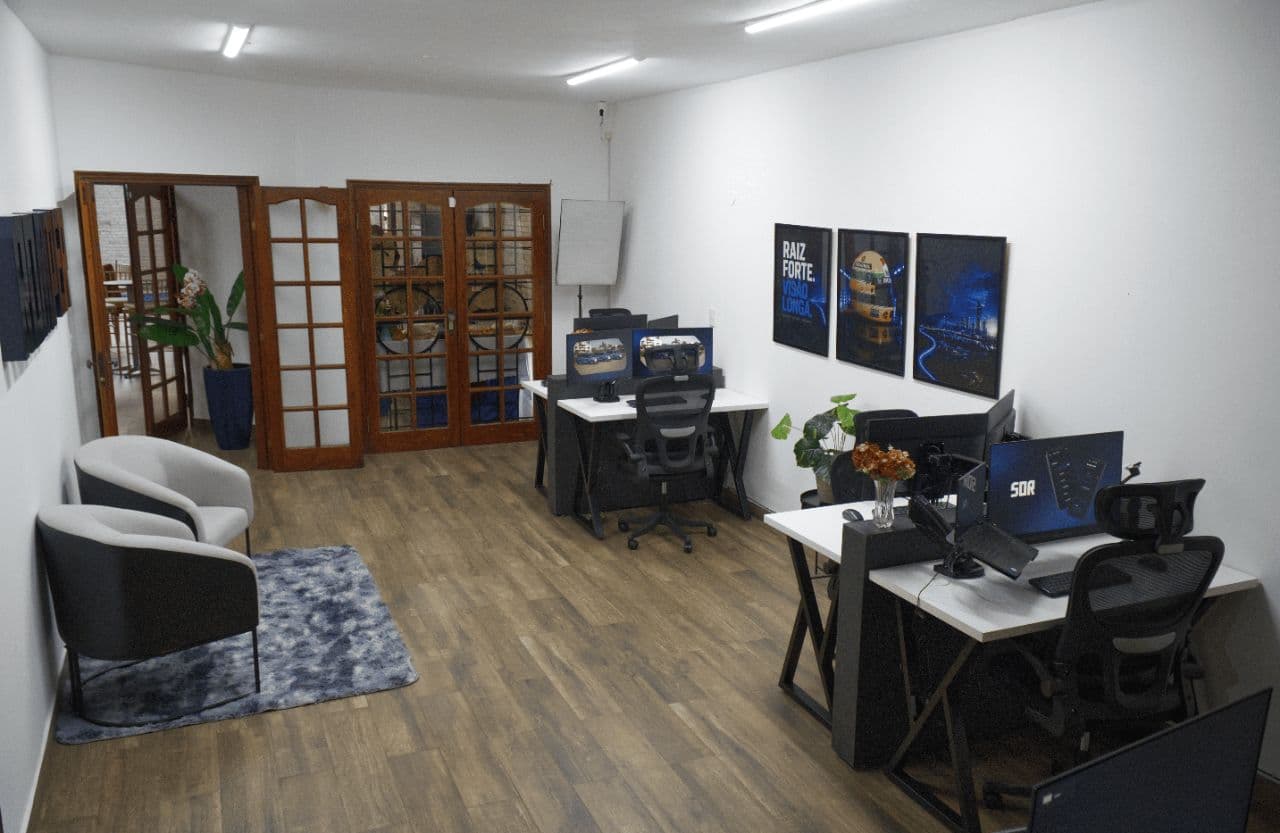
Headquarters, fleet and team in Paraguay, not an address rented for the photo.
Marlon's channel has been public for years, reputation exposed every day, not bought advertising.
Real Romper clients. Video testimonials, never invented text.
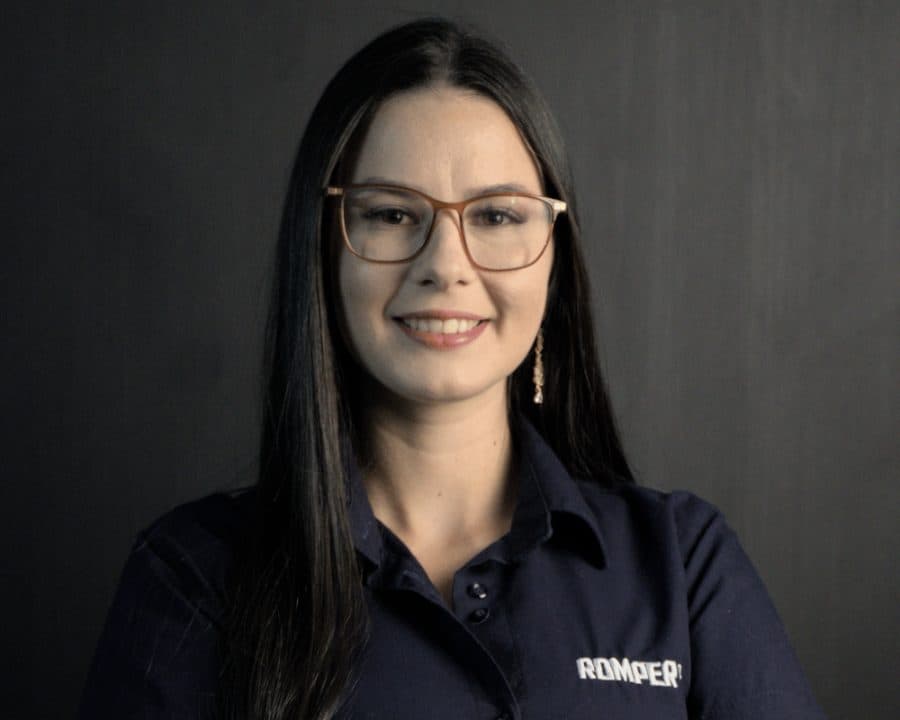
She's the one who designs your structure in the free conversation, and answers for it afterward.

Keeps your Paraguayan tax base alive, the piece that holds up the zero.

Runs the formal break with the tax authority, the part that decides whether the zero holds or not.

Contracts, terms and the legal side of both companies, Romper's own team, not a freelance lawyer.
A real address, even living on the road.
Romper's regularized cowork is your fixed point on the map: a tax address for registrations and banks, a mailing address for correspondence, and a desk, internet and a room when you're around.




The whole structureinside one app.
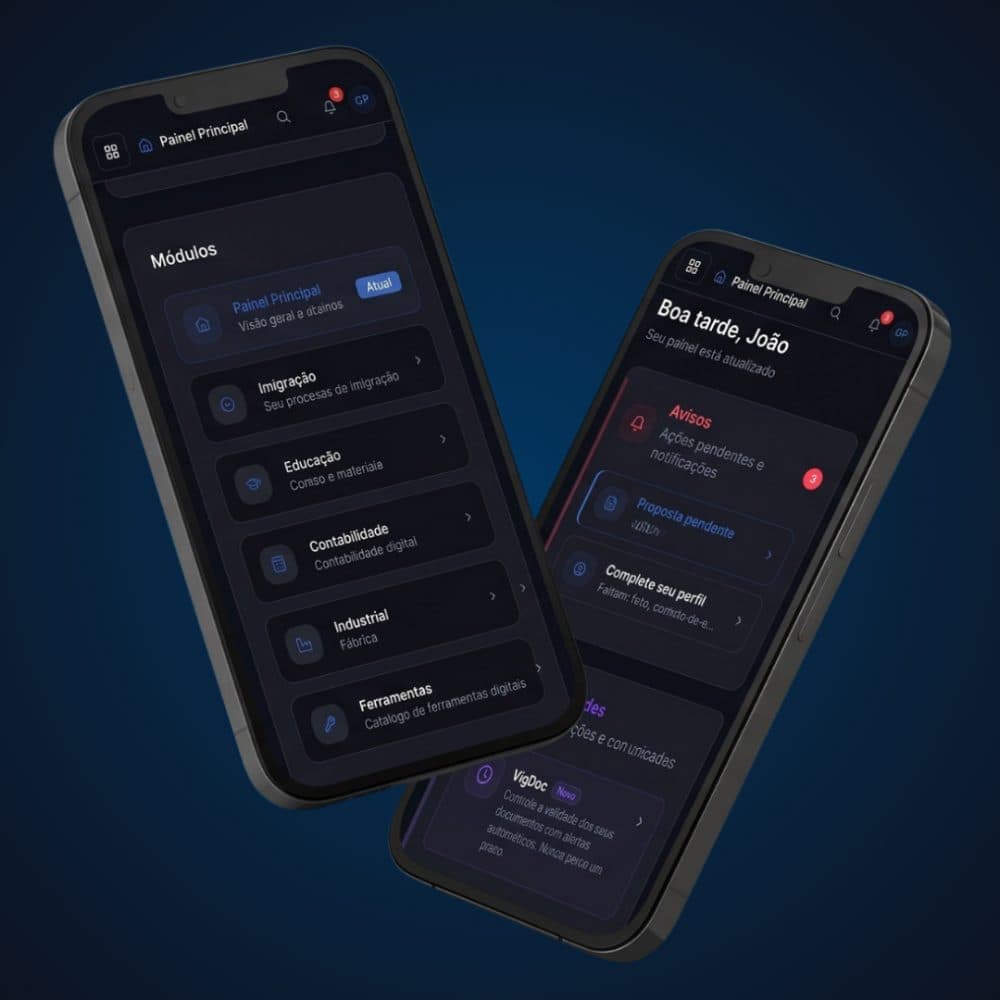
You chose a life without paper and without a counter, your structure should be the same. In the SOR, Romper's own system, you follow everything from any time zone: documents, deadlines, obligations of both sets of accounting and your entries into the country.
- Every stage and deadline, visible in real time
- Alerts before any due date: LLC, Personal, immigration
- Documents in one place, no hunting for a PDF in your e-mail
Competitors run on spreadsheets and messages. Our own system, only here, it took around US$ 150,000 of investment so you don't depend on anyone remembering you.
We're not forevery remote worker
Better to know now than with the structure already set up.
It makes sense for you if
- Your income comes from abroad: clients, platforms, monetization
- You live abroad or on the road, and want a legal base
- You want everything within the law, with a formal tax exit
- You want to run the whole structure from the app
It doesn't make sense if
- Your income is Brazilian-source and you want to keep living there
- You expect zero tax without changing tax residency
- You want to leave the money in a personal account abroad, with no company and declaring nothing
- You expect a shortcut outside the law, here or there
The 10 questions remote workers ask most
What this profile asks before setting up the structure. Whatever is specific to your case, the free conversation settles it.
Zero tax, is it real or guru talk?
Do I need to live in Paraguay?
Do I lose my contracts and clients when I move?
Can I open the LLC before doing the tax exit?
What about sales to clients in Brazil?
Does whoever does this get audited?
I'm not Brazilian, do you do my tax exit?
How much does it cost to keep the structure per year?
Why you, and not an accountant who opens an LLC?
How much does it cost to take the first step?
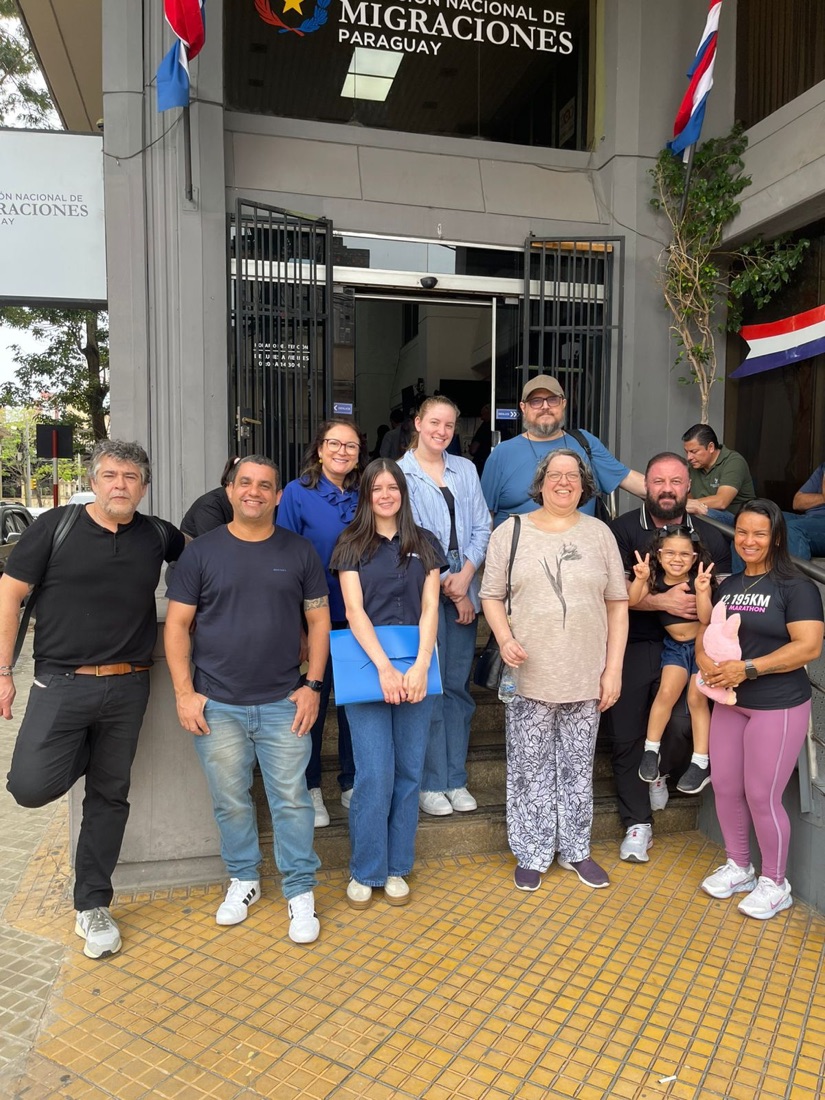
Those who get paid in dollarsand have already sorted the base.
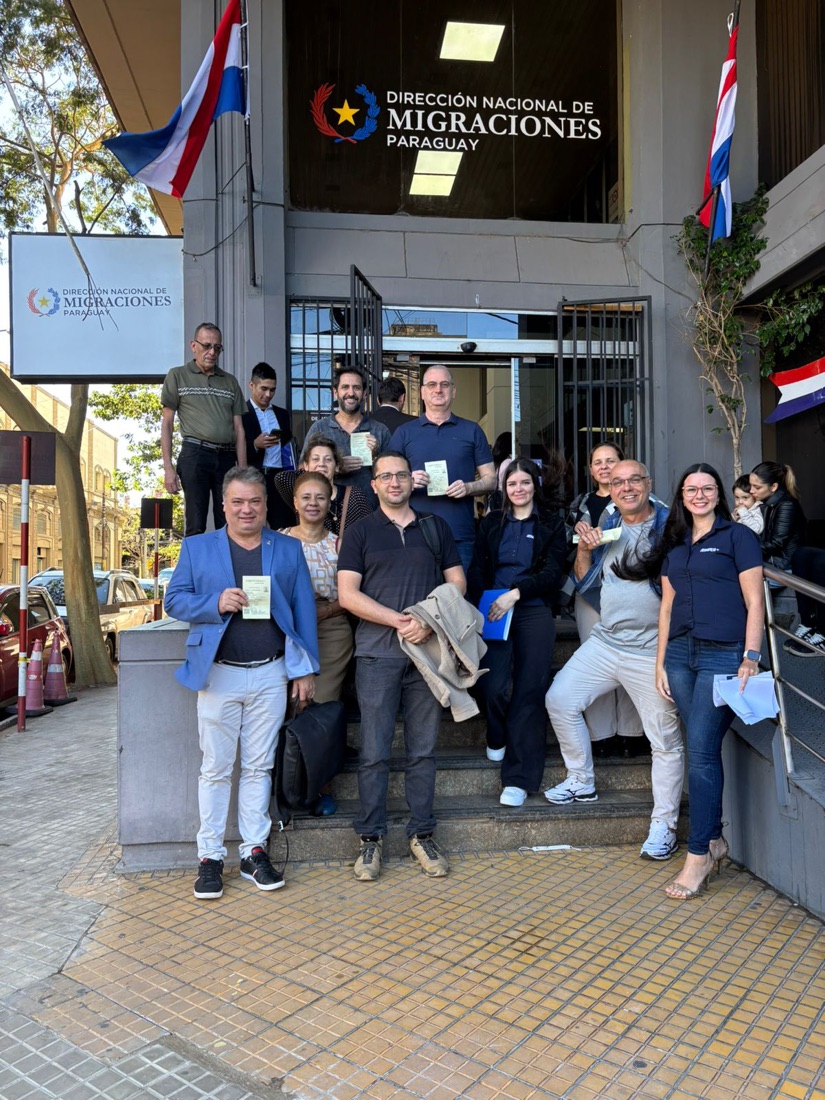
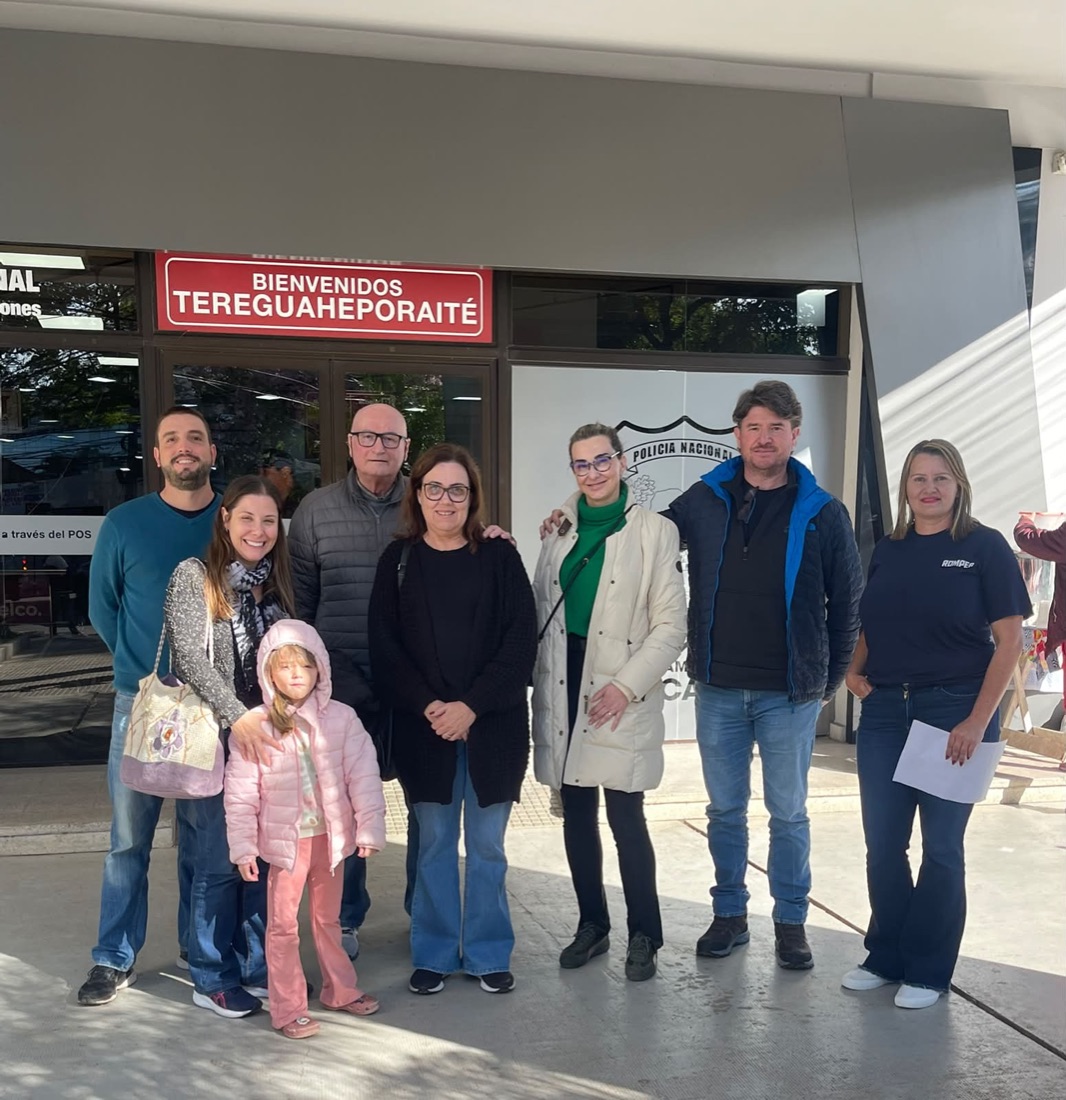
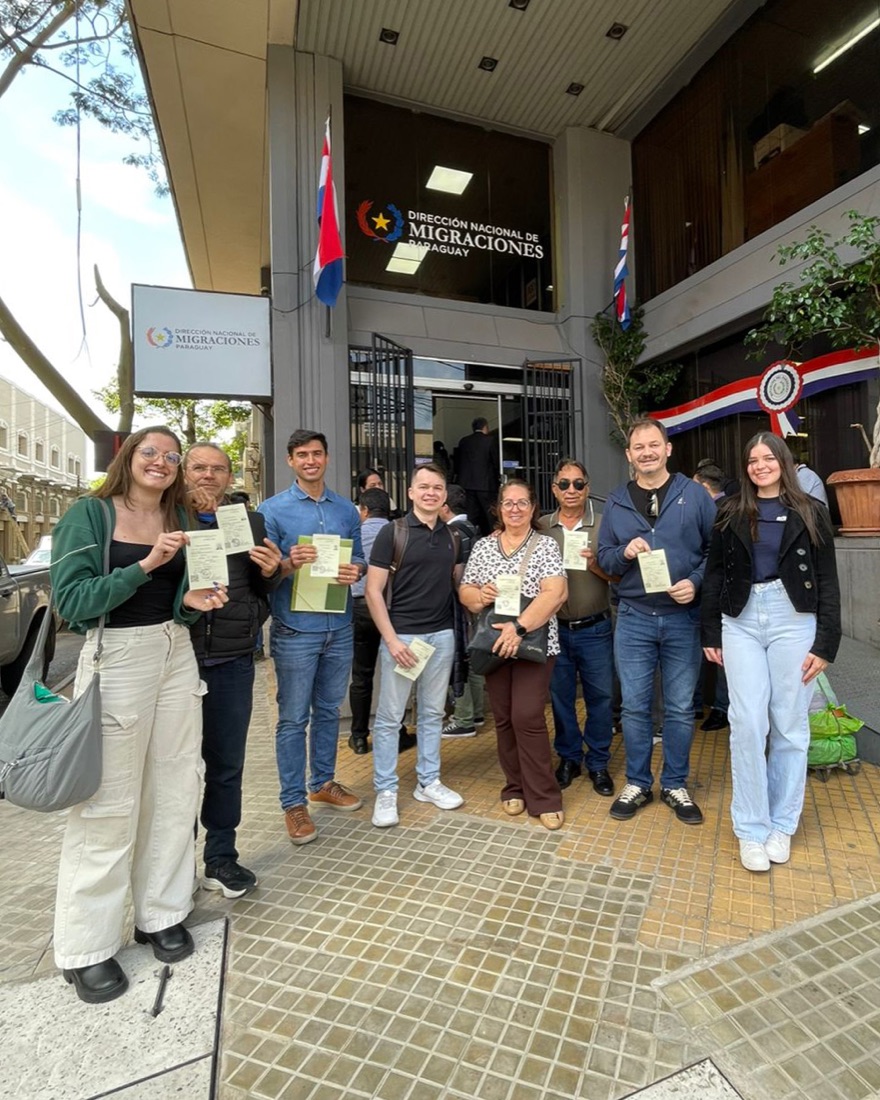
Devs, freelancers and traders who traded fiscal insecurity for a documented base.


Your income is already global.Now the structure needs to be too.
Message on WhatsApp, the conversation is free: the immigration manager designs your structure, with costs, order and the trips, and puts together the ideal package for your case. Hiring goes through them: that way you don't buy a loose piece before its time.